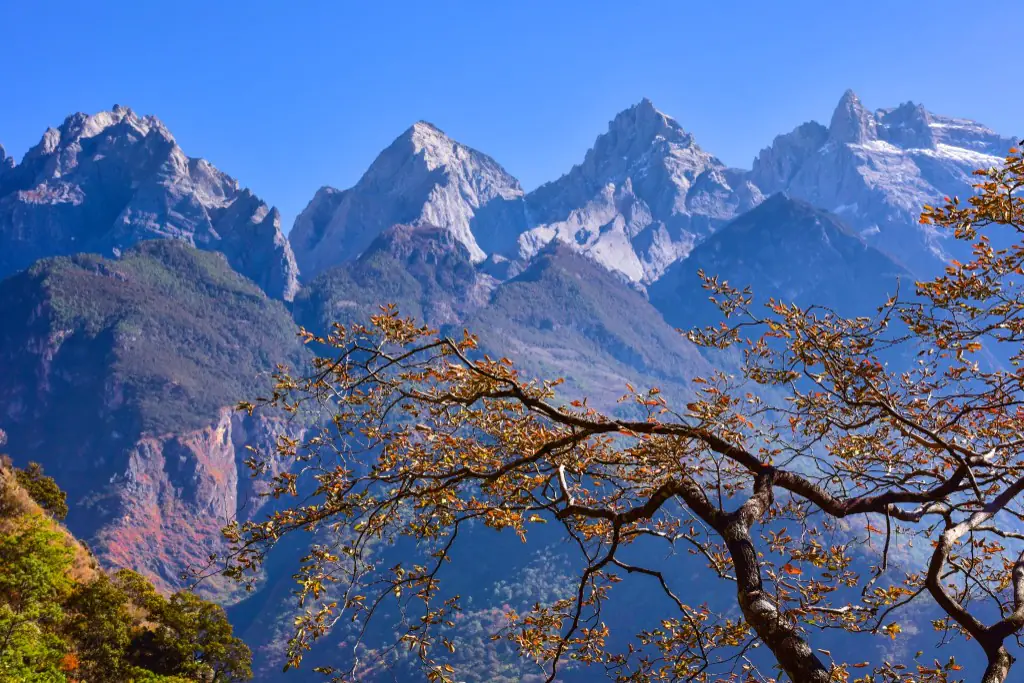

Most visitors spend their entire Dali trip inside the Old Town walls, snap a photo at the Three Pagodas, and call it done. That's not wrong, exactly — it's just incomplete. The Dali most people fall in love with online is usually somewhere else: a tie-dye workshop in a Bai village, a quiet courtyard hotel in Xizhou, a stone grotto carved into a mountainside near Shaxi. You don't need fluent Mandarin or a hired guide to reach any of these — and self-driving isn't really on the table anyway, since a foreign license alone isn't valid in China without a separate temporary permit most visitors never bother getting. Buses, Didi, and the occasional hired driver cover everything on this list. You just need to know these places exist — and roughly how much time to set aside.
This sits beside our Yunnan travel guide — Kunming, Dali, Shaxi and Lijiang — for the days you want outside Dali Old Town.
We'll start with the one that takes the most effort to reach — the payoff is worth explaining first — then work down toward the easy half-day options.
Shaxi Ancient Town — What Dali Looked Like Before the Crowds Arrived
Shaxi (沙溪) is the one that takes real effort to reach, and that's exactly why it still feels the way Dali Old Town probably did twenty years ago. It was a trading post on the old Tea-Horse Road, and Sifang Street — its 1,000-year-old market square — still runs a genuine Friday market where villagers from the surrounding hills come to trade.
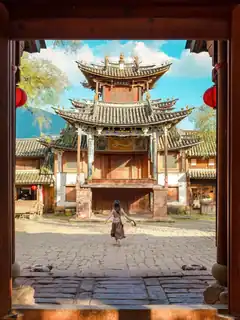
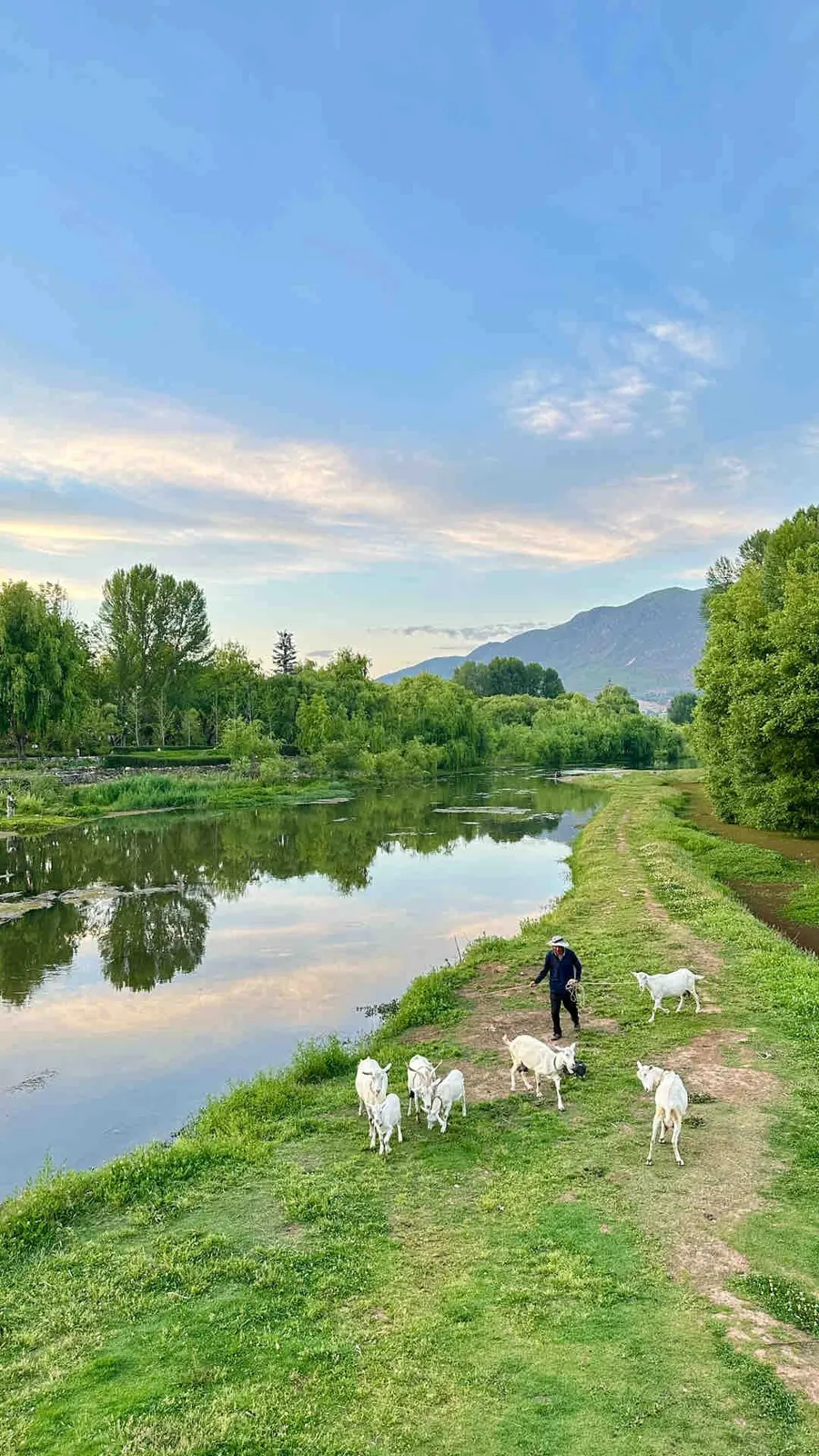
A courtyard in the old town, and the river just outside.
Multiple TripAdvisor reviewers make the same observation about timing: come for just an afternoon and it can feel like a movie set, but stay past the day-trip crowds — most head back to Dali by early evening — and Sifang Street quietly turns back into a real market town, with locals outnumbering tourists again.
Sifang Street itself is free to walk. Cars aren't allowed inside the old town core, so however you arrive, you'll be dropped at the edge and walk in.
Shaxi is about 140 km from Dali Old Town — figure on 2 to 2.5 hours by direct tourist coach (around ¥42, departing from Dali's long-distance bus station) or private car. Given the distance, this is realistically an overnight trip rather than a day trip. A handful of small guesthouses in Sifang Street's old buildings are worth booking ahead — browse options here.
Want to include Shaxi without turning it into a rushed day trip? Our 6-day private Yunnan journey includes two nights in Shaxi between Dali and Lijiang, with the road transport arranged around the route.
Weishan Ancient Town — Yunnan's Emptiest "Forgotten Capital"
Weishan (巍山) was the seat of the Nanzhao Kingdom before Dali became the region's power center, and today it's arguably the least-visited well-preserved old town in the whole prefecture. Real visitor reviews on TripAdvisor describe it bluntly: "almost zero tourists, even on a Saturday." The old town's streets — 25 of them, laid out in a chessboard grid — are lined with Ming and Qing dynasty wooden buildings that haven't been rebuilt for tourism the way Dali's or Lijiang's have.
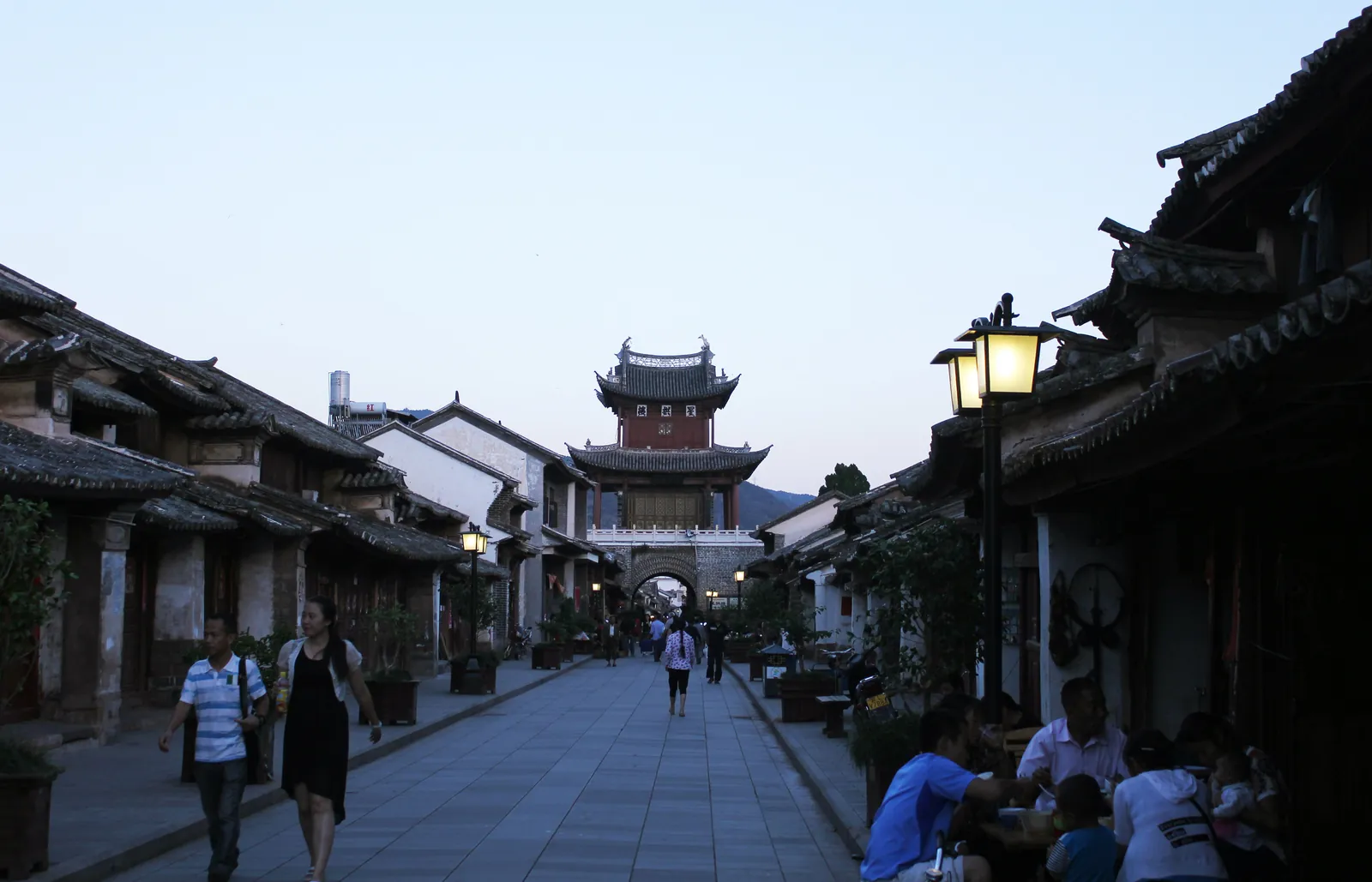
The whole town is free to walk, and so are its two landmark towers: Gongchen Tower (拱辰楼) at the north gate and Xinggong Tower (星拱楼) at the center, both open to climb for panoramic views over the tiled rooftops. Street food is a highlight too — try "one noodle" (一根面, a single noodle served in one bowl) or, if you're feeling adventurous, deep-fried grasshoppers.
Weishan is about 63 km south of Dali Old Town. From Xiaguan (Dali's modern downtown), buses leave roughly every 15 minutes from the southwest bus station and take about an hour — no need to arrange a driver for this one.
Zhoucheng Tie-Dye Village — A Half-Day Trip From Dali Old Town
Zhoucheng (周城) is one of the largest Bai villages in Yunnan, and it's also the center of a tie-dye tradition (zharan, 扎染) that goes back centuries. Walking the village is free, and so is the Puzhen Tie-Dye Museum, which walks you through the whole process — indigo vats, hand-stitched patterns, the works. If you want to try dyeing your own scarf with a local artisan, that costs extra (budget roughly ¥30–50 for a small hands-on session; ask on arrival, prices aren't standardized).
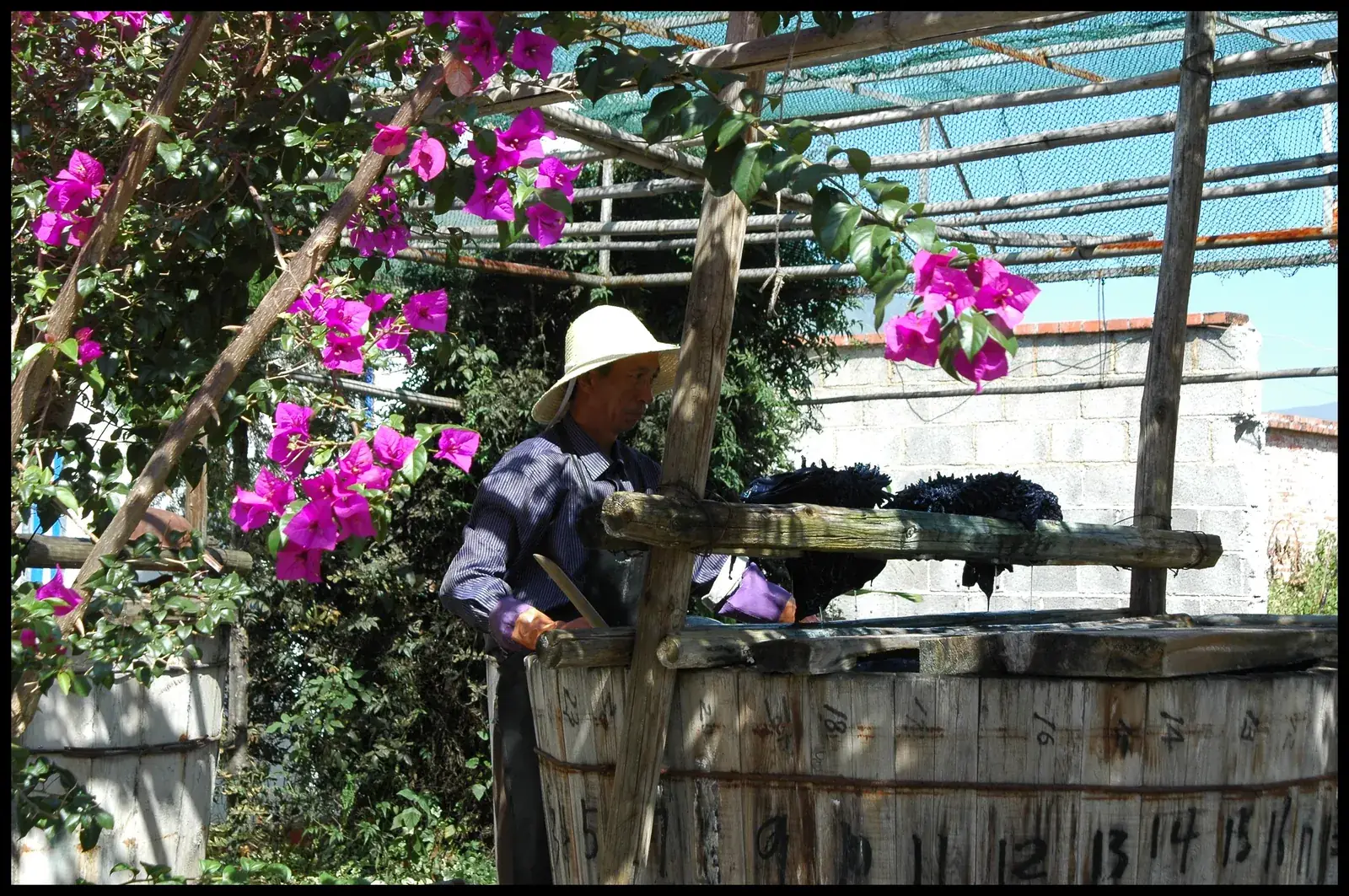
Visitors who've done a dyeing session often mention the smell as much as the craft itself — the faint, herbal scent of banlangen (isatis root, the plant the indigo dye is made from) hangs around parts of the village, especially near the workshops.
Zhoucheng sits about 23–25 km north of Dali Old Town. A local minibus running the Xiaguan–Eryuan route passes through and costs around ¥8 — just tell the driver you're getting off at Zhoucheng. A taxi or Didi takes about 30–40 minutes. Half a day is enough unless you're set on a full dyeing class.
Xizhou Ancient Town — Bai Architecture and Slow Local Life
Xizhou (喜洲) feels like Dali Old Town with the volume turned down. The Bai courtyard houses here are some of the best-preserved in Yunnan, and the town is small enough to walk or cycle in an afternoon. Grab a xizhou baba (喜洲粑粑, a griddled flatbread stuffed sweet or savory) from a street stall — it's the thing everyone tells you to eat here, and it's worth the hype.
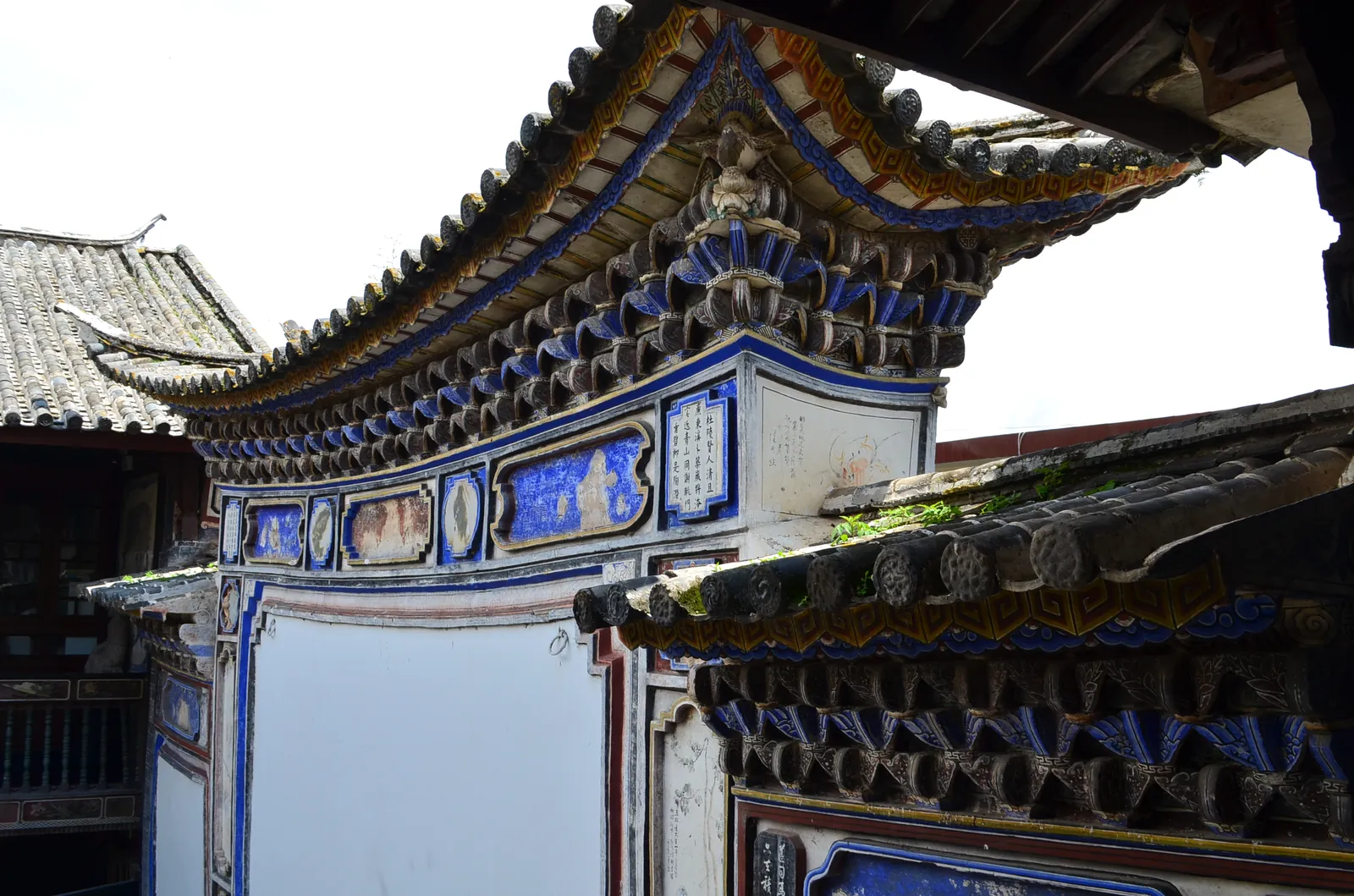
Xizhou also keeps a different schedule than Dali Old Town. Regular visitors note that by around 7pm, most shops have closed and the streets go quiet — if Dali's nightlife isn't really your scene, that's part of the draw here.
If you want to stay overnight, Xizhou is also home to the Linden Centre, a well-known heritage guesthouse set in a restored Bai mansion. You can check rates and availability here.
Xizhou is roughly 20 km from Dali Old Town. Minibuses run the route for ¥5–8, or a taxi costs around ¥30 and takes 30–50 minutes depending on traffic.
Shibaoshan — Grottoes and Hiking Away From the Crowds
Shibaoshan (石宝山) is a cluster of Buddhist grottoes and cliffside temples carved into sandstone, mixed in with genuinely good hiking trails and, in season, a mountain covered in azaleas. Entrance is ¥30 per person (price checked 2026 — always worth confirming locally, as rural scenic-area pricing changes without much notice).
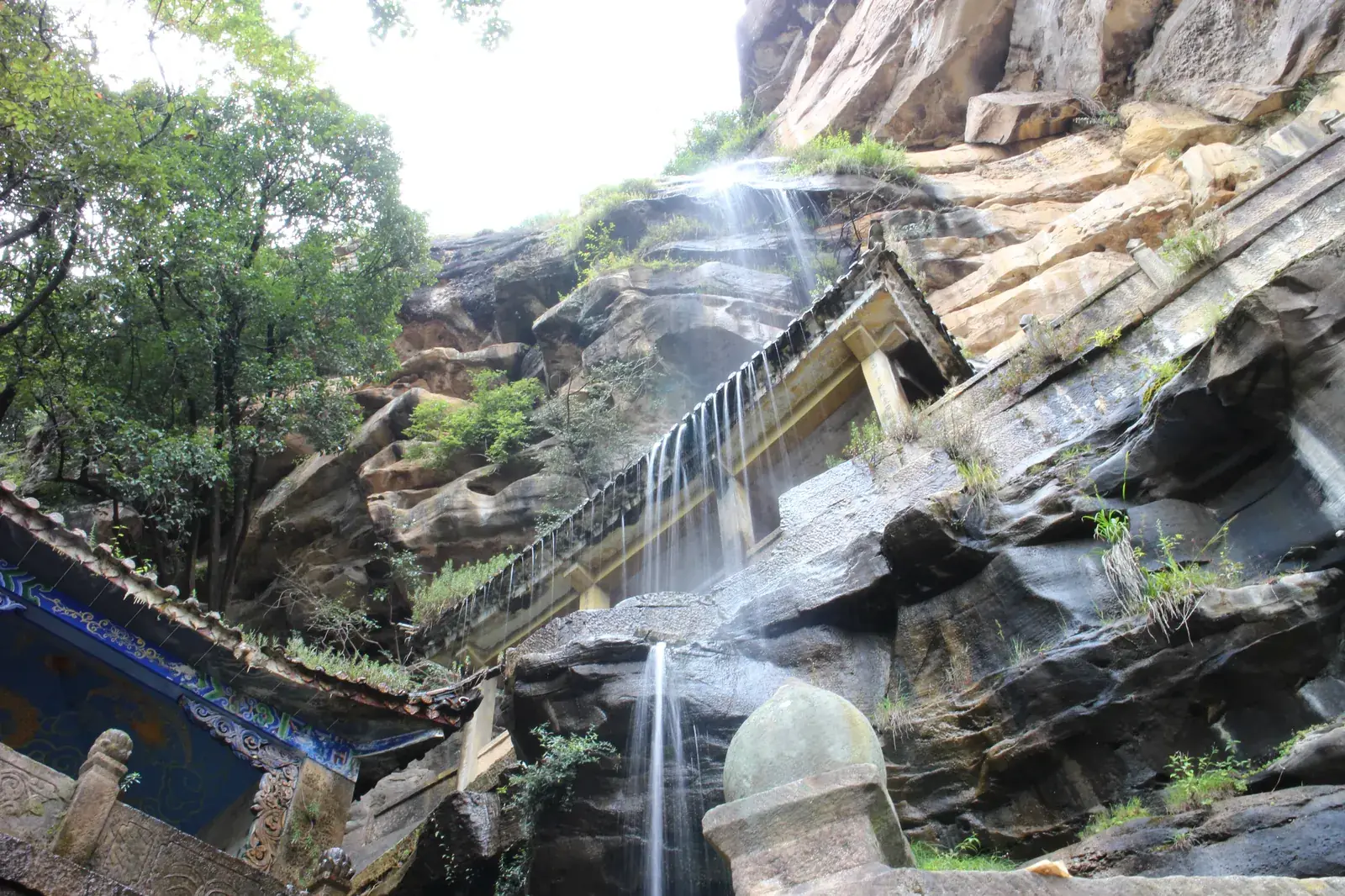
One practical note worth flagging: reviewers who've done the full grotto hike describe some of the climbs — especially around the far cave complex — as genuinely strenuous, and not something to attempt with elderly travelers, young children, or anyone with health concerns. The main grotto trail itself is manageable for most people; it's the side routes that get demanding.
Shibaoshan sits near Jianchuan county, about 20 km from Shaxi — administratively the two are often bundled together as the "Shibaoshan–Shaxi Scenic Area." Public transport to Shibaoshan alone is thin, so most visitors hire a car for the day from Shaxi (roughly ¥150 for a round trip) rather than trying to piece together buses.
For the More Adventurous: Nuodeng Ancient Village
If you have extra days and don't mind rough edges, Nuodeng (诺邓) is worth knowing about — though it's a bigger commitment than anywhere else on this list. It's a 1,000-year-old salt-trading village stacked up a mountainside in neighboring Yunlong County, famous for the cured ham that's still made with brine from the village's own ancient salt wells.
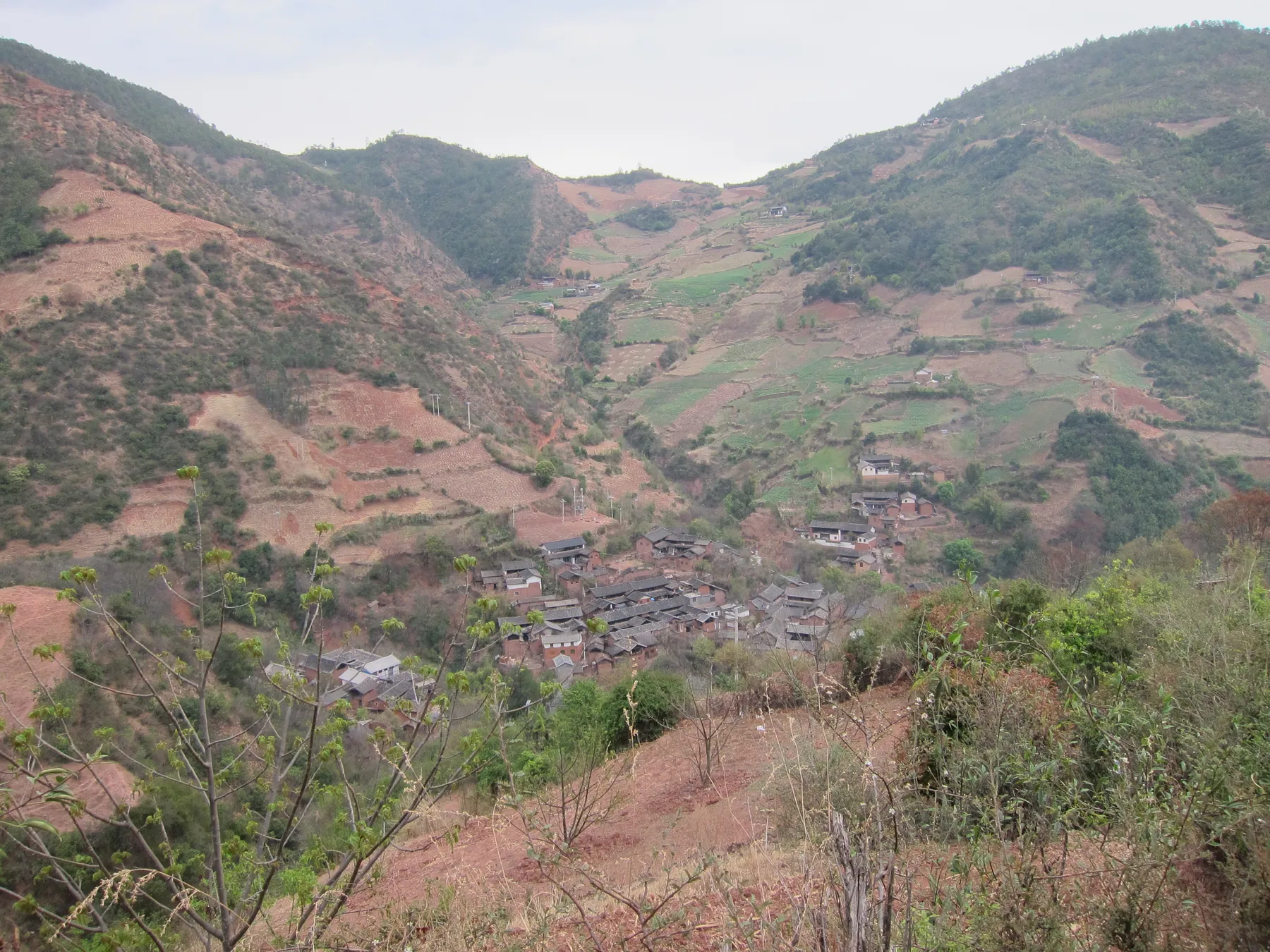
Nuodeng is genuinely undeveloped: there's no shop in the village, only a handful of family-run guesthouses. The village sits on a slope with no road into the center, so the last stretch is on foot regardless — mules carry the bags, not the people. Entry is free, but it's about 2.5 hours by car from Dali Old Town.
This one isn't a light first outing — it suits travelers who've already found their footing in China and want to go deeper, rather than first-timers looking for an easy add-on. Travelers who've made the trip often go with a local guide for exactly this reason: someone who knows the mountain paths and can sort out the last-mile transport from Nuodeng town.
Hidden Gems Comparison Table
| Location | Time Needed | Best For |
|---|---|---|
| Shaxi | 1–2 days | Slow travel |
| Weishan | 1 day | Authentic old town |
| Zhoucheng | Half day | Bai culture |
| Xizhou | Half day | Architecture |
| Shibaoshan | Half day | Hiking |
| Nuodeng | 1–2 days | Remote villages |
Which Hidden Gem Is Right for You?
If you only have time for one or two of these, match them to what you actually want out of the day:
- If you love culture: Zhoucheng — hands-on tie-dye tradition, still made the old way.
- If you want architecture: Xizhou — the best-preserved Bai courtyard houses in the region.
- If you want hiking: Shibaoshan — real trails, cliffside grottoes, no crowds.
- If you want slow travel: Shaxi — a market town that hasn't caught up to the calendar yet.
- If you want almost no tourists: Weishan — quieter than Shaxi, and closer too.
- If you want remote villages: Nuodeng — a salt-trading village with no shops, reached by mountain road.
My Pick: If I Only Had 2 Days
Here's the honest, non-diplomatic answer: if I only had two days outside Dali Old Town, I'd skip Xizhou and Shibaoshan entirely and go Shaxi, Nuodeng, Zhoucheng. It's not the easiest combination — Nuodeng alone eats up half a day each way — but it's the one that feels the least like "Dali" and the most like the Yunnan countryside nobody's posting on Instagram. Xizhou and Shibaoshan are genuinely worth a visit, they're just closer to nice than unforgettable. That's one opinion, not a rule — use the comparison above to build your own version.
How to String These Together in 1–3 Days
None of these places demand a fixed itinerary — that's the point of writing about them as pieces rather than a package tour. A rough way to think about it:
1 day, light pace: Pick one direction rather than crisscrossing. Zhoucheng in the morning and Xizhou in the afternoon covers the north shore; Weishan on its own covers the south. Either way you're back in Dali by dinner, and neither requires a private driver. This works well if you'd rather not rush — a good fit if you're traveling with older relatives or just don't want a packed day.
2–3 days, more ground covered: Add an overnight in Xizhou or push on to Shaxi for one or two nights, using Shibaoshan as a half-day add-on from there. If you've got even more time and want to go further off-grid, Nuodeng is the one to add. This suits travelers with more time and energy for longer transfers.
Want these places fitted into a wider Yunnan route? Start with the Yunnan travel guide, or see how Dali and Shaxi connect in our 6-day private journey.
Getting There and Practical Tips
- Transport apps: Didi (China's answer to Uber) works for taxis to Zhoucheng and Xizhou; for Shaxi and Shibaoshan you're generally looking at buses or a hired car. See our Didi guide for foreigners if you haven't set it up yet.
- Connectivity: Rural stretches between these towns have patchy signal. Sort out your data plan before you leave Dali — see our China eSIM guide.
- Tickets: Only Shibaoshan requires an actual ticket among the places above. It doesn't currently require advance booking, but that can change during major holidays — see our guide to attraction reservations in China if you're traveling during a national holiday week.
Want to weave these quieter places into a longer trip? Plan a tailor-made Yunnan journey with time for the villages and countryside that interest you, rather than squeezing them into a rushed detour.
FAQ
Is Shaxi worth a day trip from Dali? Not really — it's about 2 to 2.5 hours each way, which makes a same-day round trip exhausting for not much time on the ground. Most people who make the trip stay at least one night.
How far is Xizhou from Dali Old Town? About 20 km, roughly 30–50 minutes by minibus or taxi depending on traffic. It's an easy half-day or full-day trip without staying overnight.
Do you need to buy a ticket for Shibaoshan? Yes — entrance was ¥30 per person as of 2026. Confirm locally, since rural scenic-area pricing can change with little notice.
Is Zhoucheng free to visit? Walking the village and the Puzhen Tie-Dye Museum are both free. A hands-on dyeing session with a local artisan costs extra, usually ¥30–50.
Can I visit these places without speaking Chinese? Yes. None of them require English-speaking staff to enjoy — a translation app and a Didi account cover most situations. Shaxi, Shibaoshan and Nuodeng have the least English signage of the group, so it helps to have your accommodation name saved in Chinese characters to show a driver.
Is Weishan worth visiting instead of Shaxi? They're not really substitutes — think of them as different trips. Weishan is closer (about 63 km, about an hour by bus, no overnight needed) and, based on visitor reviews, even quieter than Shaxi. Shaxi has more infrastructure if you want to stay a night and catch the Friday market. If you only have one extra day, Weishan is the easier add-on.
How do I get to Nuodeng, and is it worth the trip? It's about 2.5 hours by car from Dali Old Town, and there's very little in the way of shops or amenities once you arrive — you're there for the village itself, not conveniences. It's worth it if you want a genuinely undeveloped village experience and have the extra time, but it's not a good fit for a first, short visit to Dali.
Place Names Reference
| English | Chinese | Pinyin |
|---|---|---|
| Zhoucheng | 周城 | Zhōuchéng |
| Xizhou | 喜洲 | Xǐzhōu |
| Shibaoshan | 石宝山 | Shíbǎoshān |
| Shaxi (Ancient Town) | 沙溪(古镇) | Shāxī (Gǔzhèn) |
| Jianchuan (County) | 剑川(县) | Jiànchuān (Xiàn) |
| Sifang Street | 四方街 | Sìfāng Jiē |
| Weishan (Ancient Town) | 巍山(古城) | Wēishān (Gǔchéng) |
| Xiaguan | 下关 | Xiàguān |
| Gongchen Tower | 拱辰楼 | Gǒngchén Lóu |
| Xinggong Tower | 星拱楼 | Xīnggōng Lóu |
| Nuodeng (Ancient Village) | 诺邓(古村) | Nuòdèng (Gǔcūn) |
| Yunlong (County) | 云龙(县) | Yúnlóng (Xiàn) |
Still working out the basics of a Dali trip? Our Yunnan travel guide covers the Kunming–Dali–Shaxi–Lijiang route, Erhai, and how Dali fits into a first journey — a good place to start if you haven't settled the wider route yet.
Free Dali Hidden Gems Map
Want to save this without scrolling back through the article later? We've mapped every place here — Zhoucheng, Weishan, Xizhou, Shibaoshan, Shaxi, and Nuodeng — with distances and travel times from Dali Old Town, in one map.
Message us and we'll send it straight over — no email, no spam, just the map.
Photos: Shaxi courtyard and riverbank; Wikimedia Commons — Xinggong Tower, Weishan; Bai tie-dye; Linden Centre reflecting wall, Xizhou; Baoxiang Temple, Shibaoshan; Nuodeng village (Anders Johnson, CC BY 3.0).