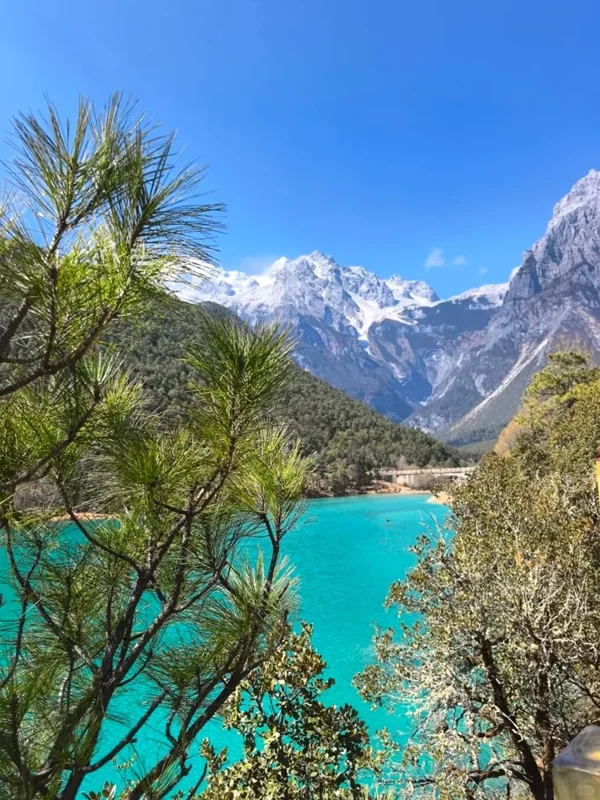

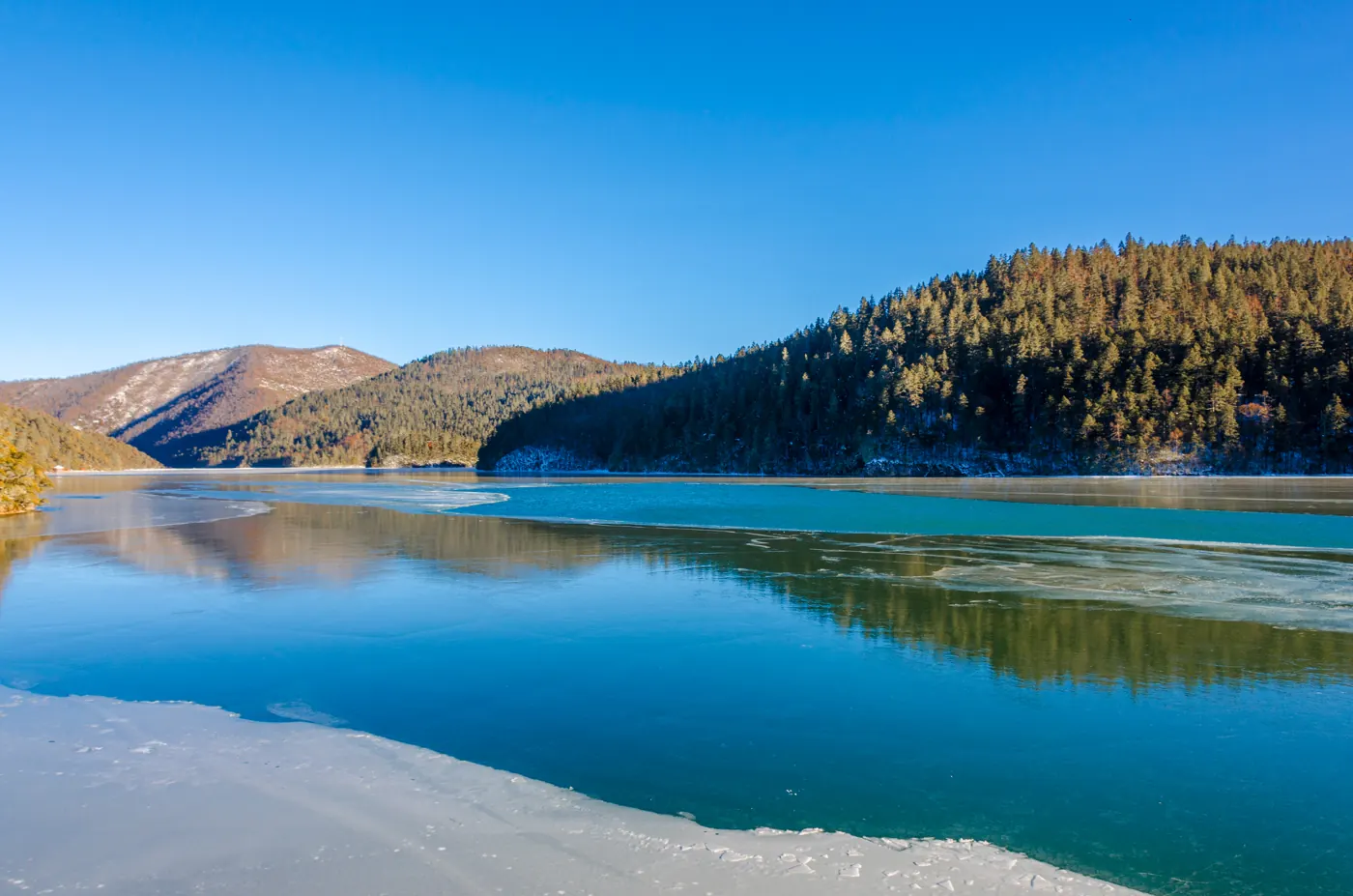
For a first journey through Dali, Lijiang and the northwest, spring and autumn are usually the best times to visit Yunnan. March to May gives you comfortable days for walking around the old towns and villages; October and November generally bring drier weather, which matters if mountain scenery is a large part of your trip. September can work too, although the rains may linger.
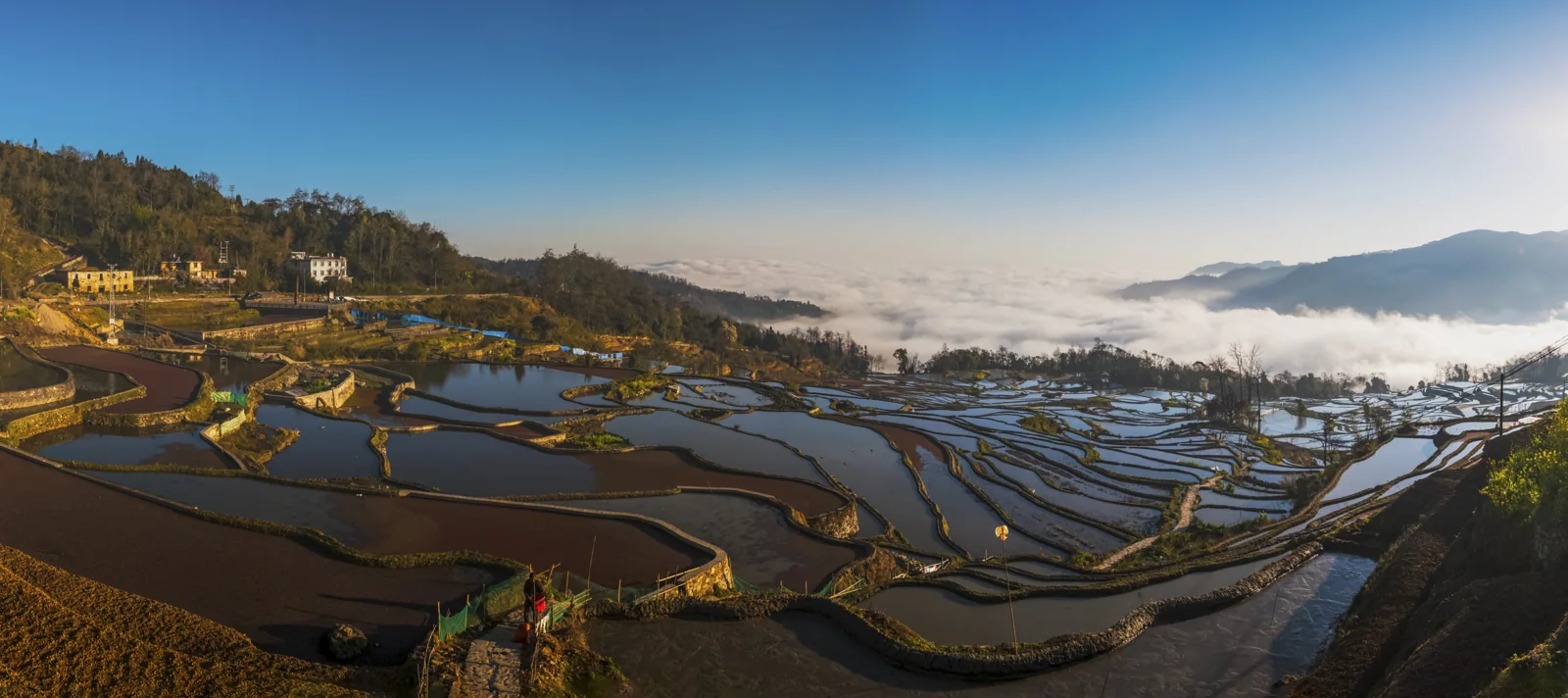
That advice changes as soon as you move beyond the classic route. By November, an afternoon beside Erhai Lake can still be pleasant while a night in Shangri-La feels distinctly wintry. Farther south, the same month marks the start of a rewarding season for Xishuangbanna and Yuanyang’s water-filled terraces. Choosing your route and travel month together will give you a more useful answer than looking for one ideal season for the whole province.
If you are still deciding which places to include, start with our Yunnan Travel Guide. Once you have a route in mind, our guide to how many days you need in Yunnan explains where extra nights make the biggest difference.
Jump to: Quick comparison · Seasons · Monthly advice · Destinations · Packing
At a Glance
| Your priority | Months to consider | What to keep in mind |
|---|---|---|
| First trip through Kunming, Dali and Lijiang | March–May; September–November | September can still be wet; major holidays affect availability |
| Shangri-La | May–June; September–October | Cold nights remain possible; June can be rainy |
| Yuanyang’s water-filled rice terraces | November–April | The appearance changes with light, cloud and farming conditions |
| Xishuangbanna | November–April | April can be hot and busy around the Water Splashing Festival |
| Mountain views | Drier months, broadly November–April | Clear views and cable-car operation are never guaranteed |
| Green landscapes and a highland summer | June–August | Allow flexibility for rain, cloud and school-holiday demand |
Why the Same Forecast Can Feel Different Along Your Route
Much of the change comes from elevation. Kunming sits at about 1,900 metres, Dali at roughly 2,000 metres and Lijiang at around 2,400 metres, while Shangri-La is above 3,000 metres. A jacket that is comfortable for an evening in Dali may be inadequate farther north, even when the places are only a few stops apart on your itinerary. Xishuangbanna, with its tropical climate, needs a different packing plan again.
Across much of Yunnan, November to April is broadly drier and May to October wetter, with the heaviest rain generally falling between June and August. These are seasonal patterns rather than a timetable: the rains arrive and retreat at different times across the province, and a wet day may mean passing showers or prolonged rain. Check conditions for each overnight stop before departure, especially if your journey combines the south and the highlands.
Yunnan by Season
Spring: March to May
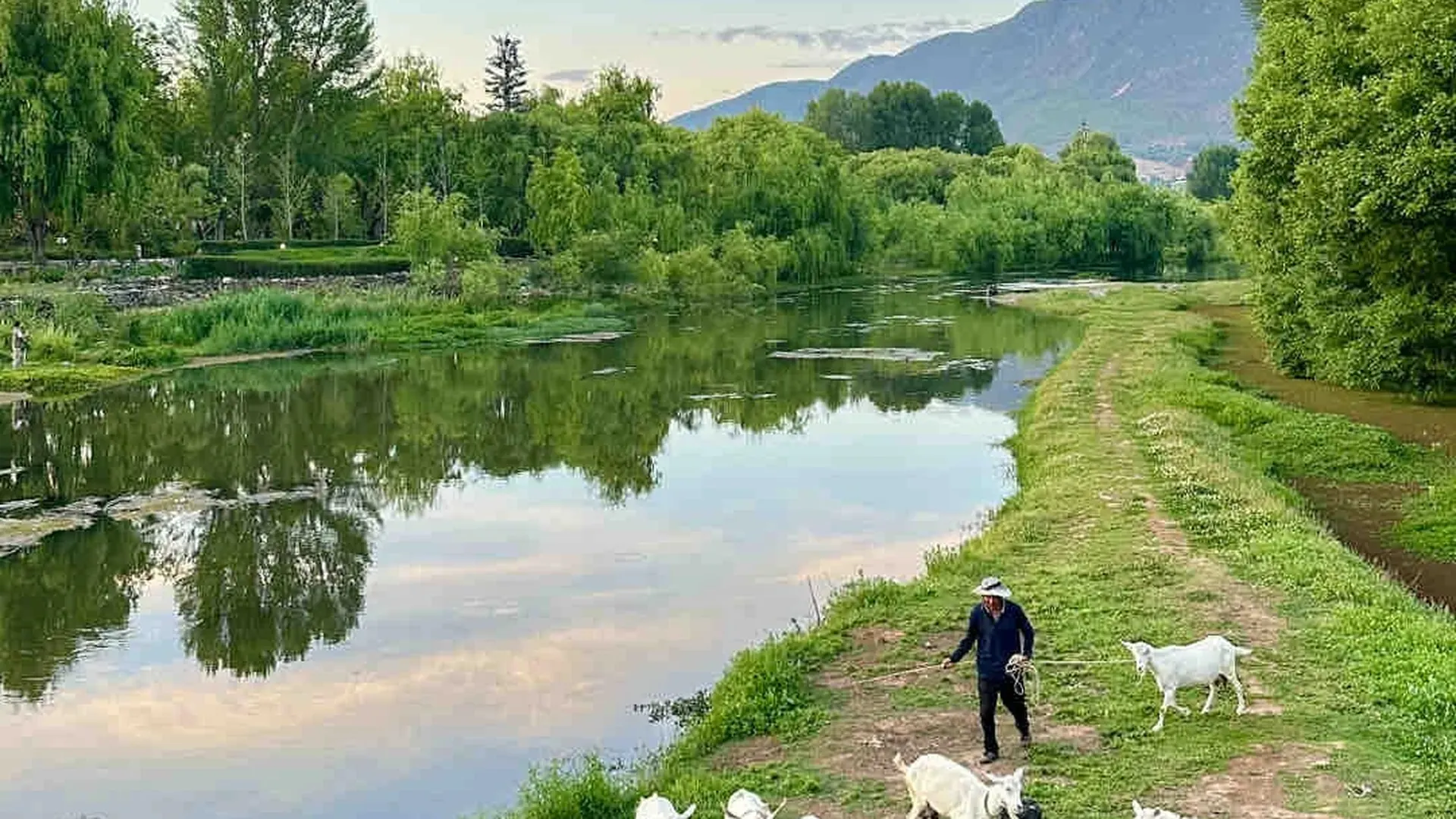
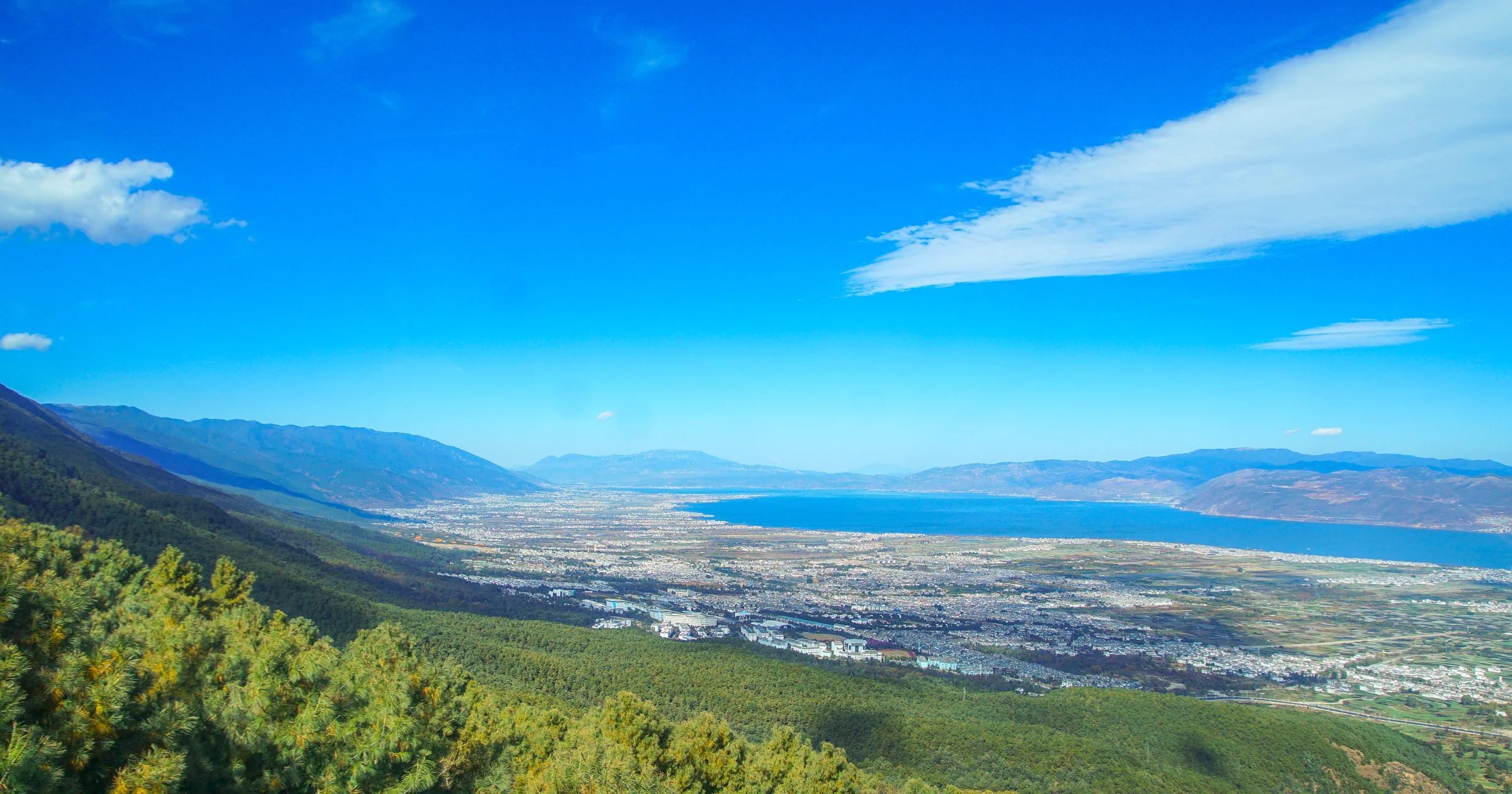
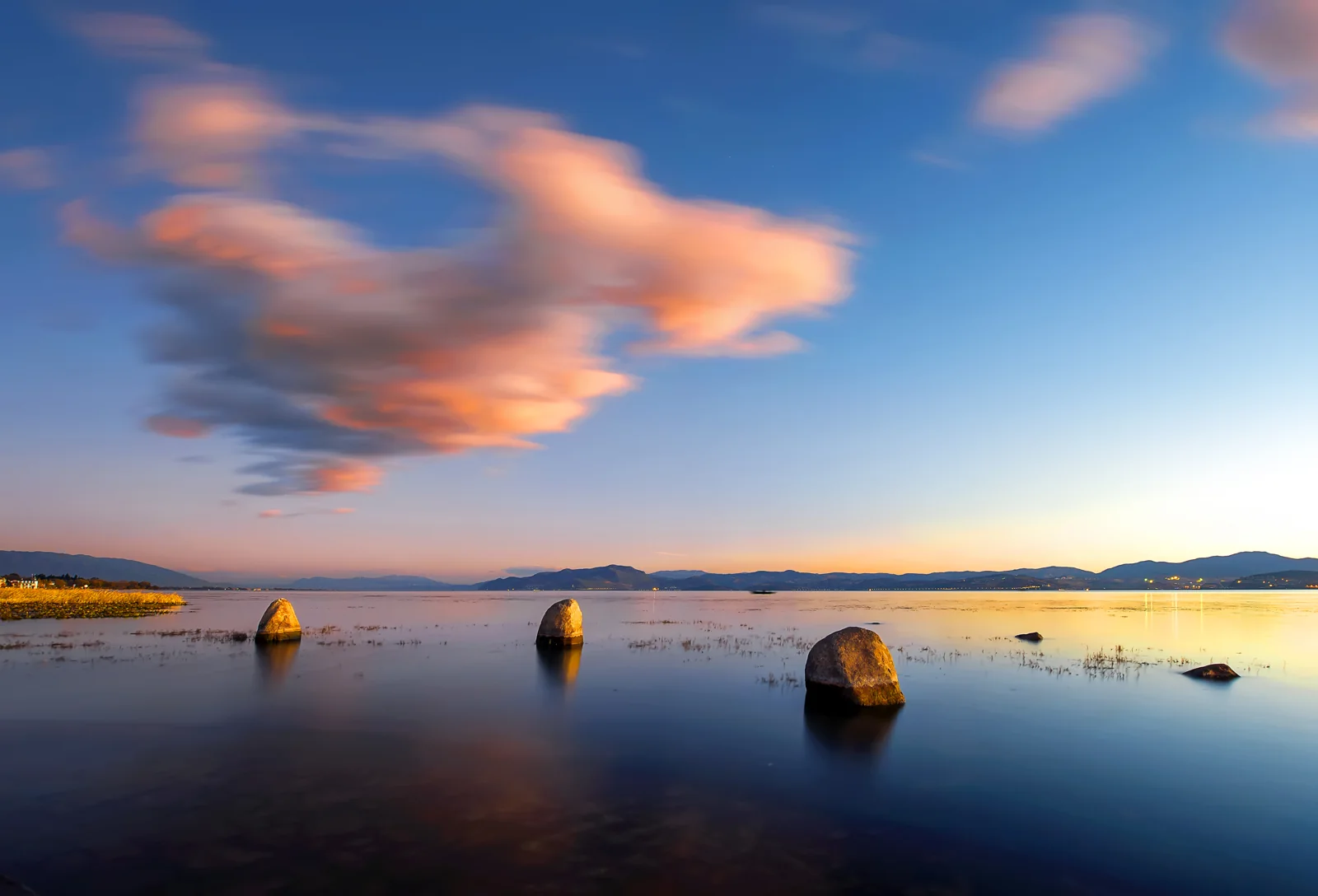
Spring suits a journey with plenty of time outdoors in Dali, Shaxi and Lijiang. You can spend a day between Erhai’s western shore and the Bai villages, then continue north without planning the whole trip around summer rain. March is usually relatively dry; towards late May, greener landscapes come with a greater chance of showers.
Shangri-La needs a little more thought. An early-spring itinerary that feels comfortable in Dali can still be cold in the highlands, so May is a better starting point if you want to include them. If your dates fall around the early-May holiday, settle the route and accommodation early: demand can affect how easily you move between destinations as well as the atmosphere at popular sights.
Summer: June to August
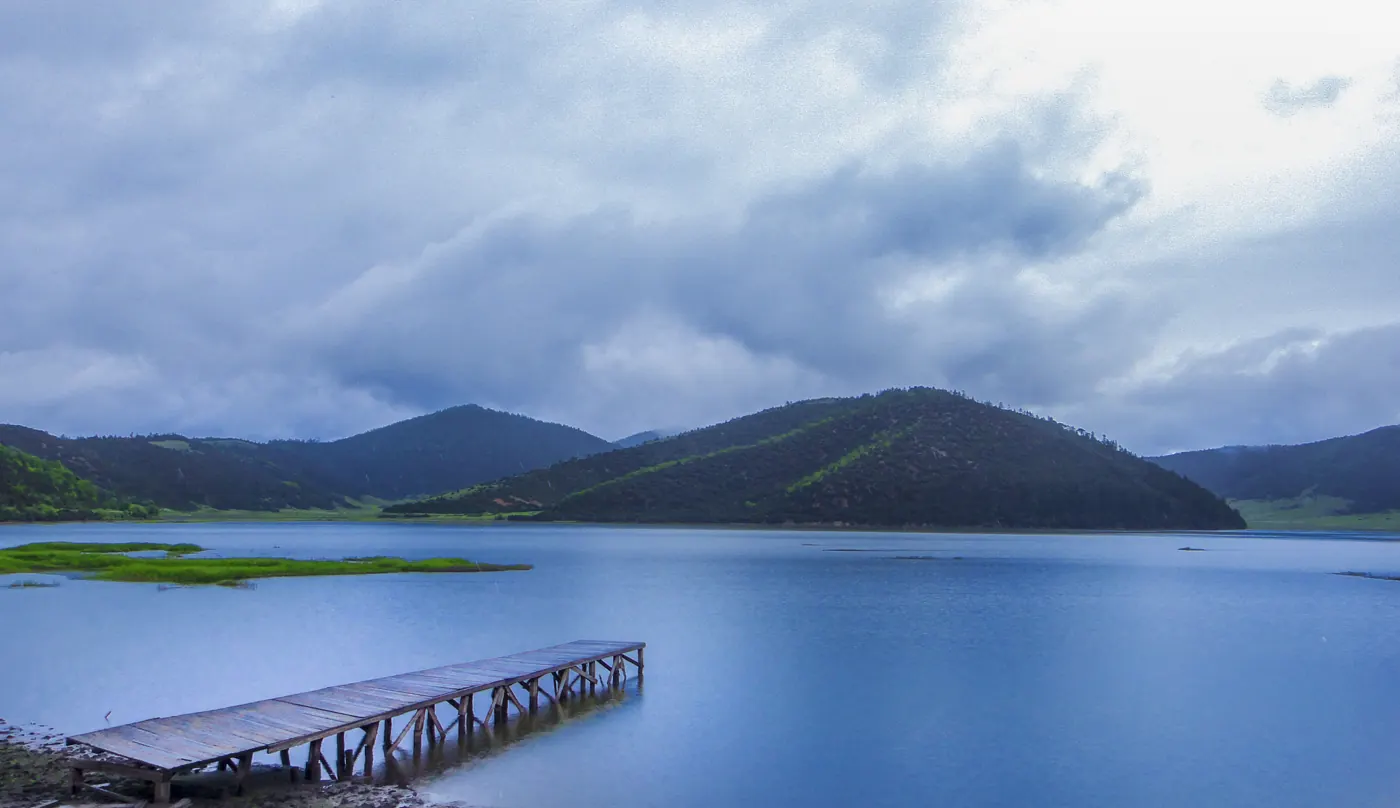
Summer changes what you get from the landscape. Shangri-La’s grasslands turn green, rivers are fuller and the highland temperatures can be a welcome change from hotter Chinese cities. It is also mushroom season, making food a worthwhile part of the journey alongside old towns and village visits.
The trade-off is less reliable visibility and more disruption to outdoor plans. If your main reason for coming is to see Jade Dragon Snow Mountain or hike Tiger Leaping Gorge, a tightly fixed schedule leaves little room for rain or cloud. Give Lijiang enough time to move a mountain visit where bookings allow, and keep other interests in the itinerary so a cloudy day does not undo the purpose of the trip. July and August also bring school-holiday demand; rainy season does not necessarily mean quiet attractions.
Autumn: September to November
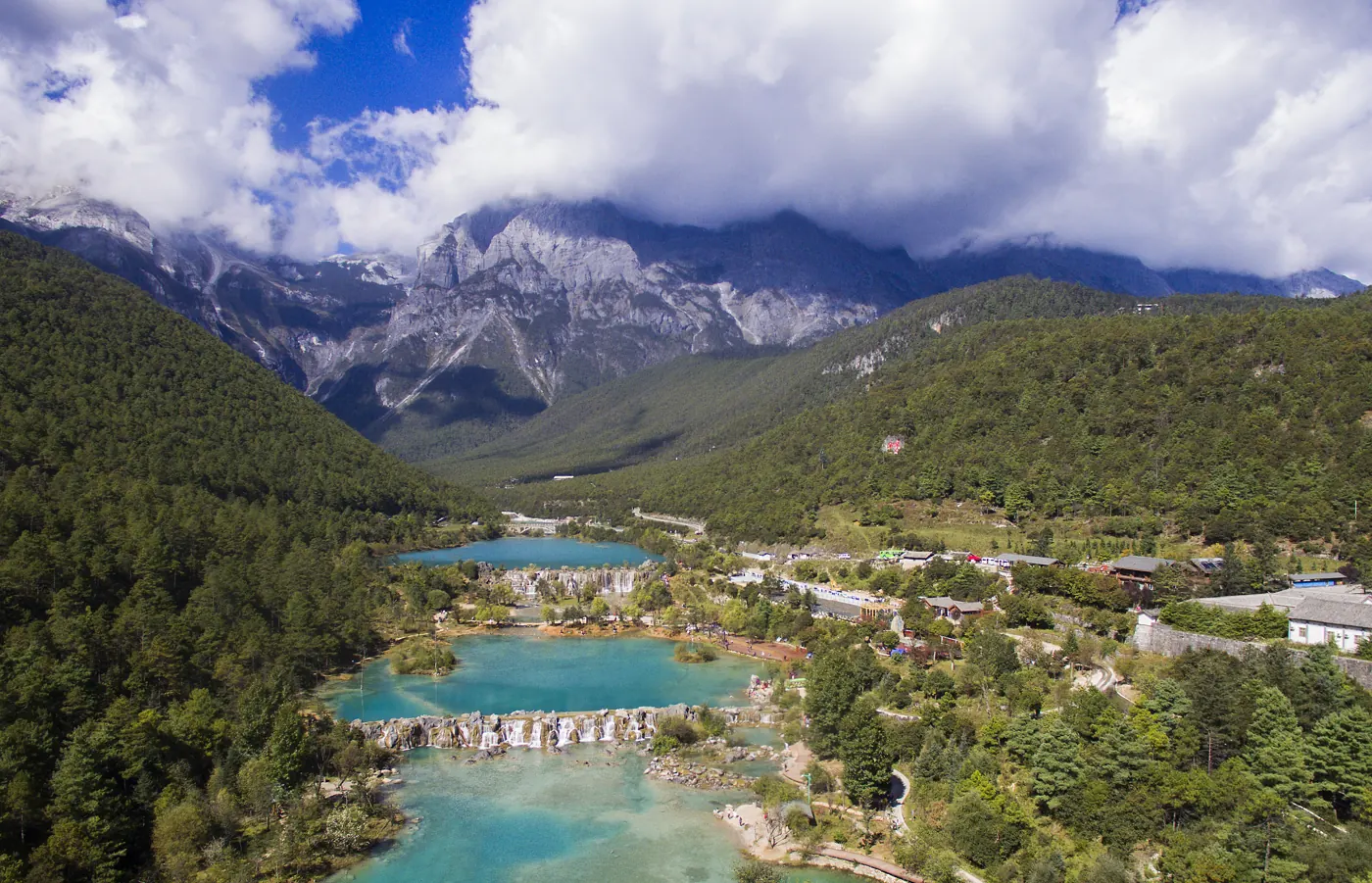
Autumn is especially appealing for a journey that continues from Dali and Lijiang to Shangri-La, but September and November are not interchangeable. September can still carry summer rain, while October and November generally offer drier conditions and better opportunities for mountain views. As the skies become clearer, mornings and evenings grow colder, particularly farther north.
For a route including Shangri-La, October outside the National Day holiday is a useful starting point. For a trip centred on Dali, Shaxi and Lijiang, November is also worth considering if you are comfortable with cold evenings. Choose between them according to how much time you want in the highlands, rather than assuming all three autumn months offer the same experience.
Winter: December to February
Winter can work well in Kunming, Dali and Lijiang, where dry, sunny afternoons often make sightseeing pleasant. The adjustment comes before breakfast and after sunset: warm clothing matters, and it is worth checking the heating arrangements at your accommodation rather than judging comfort from daytime temperatures alone.
It is also a season to consider a different route. Yuanyang’s water-filled terraces appeal to photographers, while Xishuangbanna offers warmer weather in the south. Shangri-La is a colder undertaking, with freezing nights and possible snow or icy roads, so include it because you want a winter highland visit, not simply because it appears on the usual circuit. Outside Chinese New Year and other peak dates, some destinations can be quieter, but holiday demand needs checking before you book.
Yunnan Weather by Month
Use these notes to narrow down your dates after choosing a region. They describe what a month usually means for planning; they are not a forecast for a particular departure.
January and February
A winter trip can combine the old towns of central Yunnan with the water-filled terraces at Yuanyang, provided you allow for the journey south. Xishuangbanna is another option if warmth matters more than mountain scenery. For Dali and Lijiang, plan for cold evenings as well as sunny daytime sightseeing, and check when Chinese New Year falls: the holiday can change transport availability and hotel demand substantially.
March
March suits a Dali–Lijiang journey with walking, village visits and spring scenery, while conditions remain relatively dry. Luoping’s rapeseed fields may also be of interest in late winter and early spring, but flowering varies from year to year, so confirm the season before adding that detour. Shangri-La can still be cold; there is little reason to push north if your main interests are the lake, towns and villages.
April
April is a useful choice for spending much of the day outdoors around Kunming, Dali and Lijiang. If you are considering Xishuangbanna, the Water Splashing Festival, usually around mid-April, changes the nature of the visit: the celebrations may be the reason to go, but they also bring greater demand. Decide whether you want to take part before fixing that leg of the route.
May
May makes a longer northwest itinerary more appealing as the highlands become more comfortable and the landscape grows greener. You can combine Dali and Lijiang with Shangri-La, allowing for an increasing chance of rain later in the month. The early-May holiday is the main scheduling consideration; travelling after it can make popular stops easier to arrange.
June
June brings greener grasslands around Shangri-La and more comfortable highland temperatures, alongside more frequent rain. It is a good month to consider if the landscape interests you beyond a single clear mountain view. Build some room around outdoor excursions, particularly if you are continuing north after Lijiang.
July and August
July and August suit travelers whose dates are fixed by school holidays and who are happy to mix scenery with food and cultural visits. The landscape is lush, but these are among the wettest months, and mountain views and walking conditions are harder to predict. Choose accommodation and transfers with the same care you would in a busy dry season; rain does not remove the pressure of summer visitor numbers.
September
September is a transition rather than an immediate switch to dry weather. Earlier in the month can still be wet, while conditions generally improve as autumn progresses. If you want the green highland landscape after the main summer holiday period, it is worth considering, with some flexibility around the outdoor days that matter most.
October
October is a strong option for a route through Dali, Lijiang and Shangri-La, combining generally drier weather with autumn scenery. The National Day holiday at the beginning of the month can make popular places exceptionally busy, so the dates within October matter almost as much as the choice of month. Check the official holiday arrangements for your travel year before booking.
November
November is a good option if your trip centres on Dali and Lijiang, particularly when mountain views matter more to you than warm evenings. The rainy season has usually passed, but the difference between daytime sunshine and the cold after sunset becomes more noticeable. If you also want to include Shangri-La, plan for a colder highland stay rather than expecting the same conditions throughout the journey.
December
December opens up two different kinds of trip: dry-weather touring around Dali and Lijiang, with warm layers for evenings, or a journey south towards Xishuangbanna and Yuanyang. Choose according to the scenery and temperatures you prefer. A northwest trip can still be rewarding, but check accommodation heating and allow for winter conditions if you continue into the highlands.
Best Time to Visit Each Part of Yunnan
If one destination is the reason for your trip, let it set the dates and arrange the rest of the route around it.
| Destination | A useful starting window | How it affects the trip |
|---|---|---|
| Kunming | March–May; September–November | Comfortable for city visits and outdoor excursions; winter is often dry and summer wetter |
| Dali | March–May; September–November | Good conditions for lakeside walks and village visits; bring layers for evenings |
| Lijiang | Spring and autumn | Allow a separate day for the mountain; winter may suit views if you accept the cold |
| Shangri-La | May–June; September–October | A shorter comfortable season; rain and cold remain considerations within these windows |
| Yuanyang | November–April for water-filled terraces | Allow time for the southern extension and changing light rather than a single photo stop |
| Xishuangbanna | November–April | Drier tropical weather; April can be hot and festival dates busy |
Planning a Day at Jade Dragon Snow Mountain
A Lijiang forecast is not enough to judge conditions on the mountain. It is much colder at elevation, and wind, weather or operational restrictions can affect the cable cars in any season. Drier months generally give you better opportunities for visibility, while summer brings greener valleys with a greater chance of cloud.
Keep the mountain visit separate from your departure day and check current attraction notices before travelling. An extra night in Lijiang gives the day some breathing room, although it cannot guarantee tickets, clear skies or a weather-related reschedule.
Is Yunnan Worth Visiting During the Rainy Season?
Rainy-season travel makes sense when you are interested in several aspects of Yunnan: a village visit, an old-town walk and a meal can still make a satisfying day when the peaks disappear into cloud. It is a less reliable choice for a trip built almost entirely around clear snow-mountain views or demanding hikes. For hiking in particular, current trail conditions and local notices should determine the day's plan.
If summer is your only window, concentrate on a manageable area and allow longer stays instead of arranging a different outdoor highlight every day. There may be opportunities between showers, but prolonged rain is possible, and a spare afternoon is more useful than an itinerary with no room to adjust.
What Should You Pack?
For a route through Kunming, Dali and Lijiang, pack layers you can add in the morning and carry during a warmer afternoon. Comfortable walking shoes, a warm evening jacket, sunglasses, a hat and sun protection are useful throughout the year; from May to October, include a rain jacket and footwear you are comfortable wearing in wet conditions.
Shangri-La and Jade Dragon Snow Mountain need warmer clothing even in summer. If you are also visiting Xishuangbanna, keep lighter clothes for the tropical part of the trip rather than packing only for the highlands. In winter, ask about heating at each overnight stop, particularly if you expect to spend relaxed evenings at your hotel.
Choose a Route That Fits Your Dates
The 6-Day Private Yunnan Tour through Dali, Shaxi and Lijiang is a useful starting point for winter or early spring, or whenever you prefer to leave out Shangri-La’s higher-altitude nights. It includes road transfers through Shaxi, so summer dates still call for weather flexibility.
If Shangri-La is a priority, look at the 8-Day Private Yunnan Tour through Dali, Lijiang and Shangri-La, particularly for late spring or autumn. For Yuanyang, Xishuangbanna or a different balance of destinations, a tailor-made Yunnan journey lets the route follow your season and interests.
Tell Joy your travel month, the number of days available and the places you most want to see. Those details are enough to start discussing which route fits, where an extra night would help and which seasonal trade-offs you would prefer to make.
Prefer email? Get My Trip Plan
No commitment required. Tell Joy your travel month, party size and interests to discuss a suitable starting route.
Read our Traveler Stories to see how other private journeys came together.
Climate Notes and Sources
These month ranges are planning guidance, not a forecast for your dates. Yunnan’s provincial climate overview describes a broadly wetter May–October and drier November–April. Research by the Yunnan Climate Center and National Climate Center shows that rainy-season timing varies by location and year. Honghe’s tourism authority describes November–April as the water-filled viewing season at Yuanyang.
Check local forecasts, attraction notices and the official holiday calendar before finalising your itinerary. Seasonal recommendations above reflect the experiences and trade-offs discussed in this guide.