Private by design
Travel with your own party, private vehicle and agreed itinerary. There are no large coach groups or fixed sightseeing schedules.

PRIVATE YUNNAN JOURNEYS
Explore Dali, Lijiang and beyond through a private journey shaped around your dates, interests and preferred pace.
Private journeys through Dali, Lijiang and beyond, shaped around your dates, interests and pace.
Born in Yunnan. Shaped by experiences abroad.
Private journeys · No shopping stops · Licensed local operator · Personal support
Private transport · Local support · No shopping stops
Weekdays 9:00–18:00 Beijing time, usually within 2 hours. Other times, within 24 hours.Explore journeys →HOW IT WORKS
You do not need a finished itinerary. Share your dates, group size and travel interests, and Joy will help turn your ideas into a practical private journey.
Tell us when you plan to travel, how many people are joining and what you would most like to experience.
Joy will suggest a practical route based on travel times, seasonal conditions and your preferred pace.
Adjust the itinerary, hotels and services before reviewing the final quotation and deciding whether to book.
No payment is required to start planning.
FEATURED PRIVATE JOURNEYS
Choose one of our suggested journeys or use it as inspiration for a route designed around you. Every private journey can be adjusted to suit your dates, group and preferred pace.
Kunming • Dali • Lijiang • Shaxi
6 Days / 5 Nights Private Journey
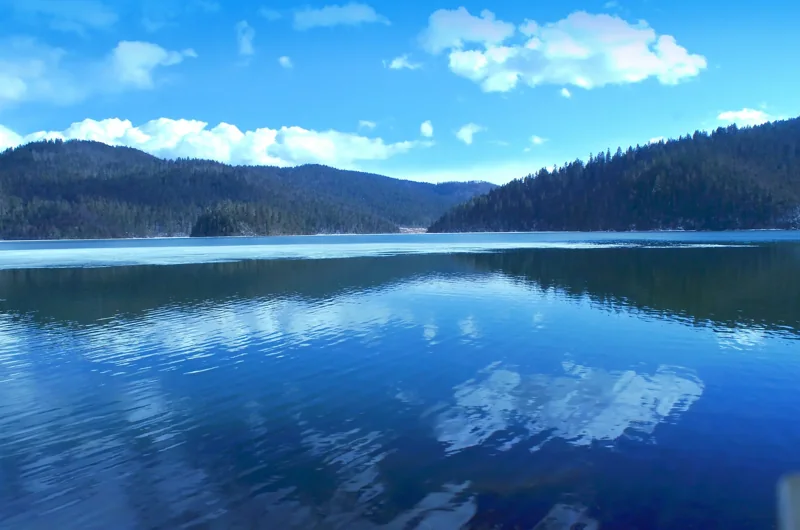
Erhai Lake • Jade Dragon Snow Mountain • Tiger Leaping Gorge
8 Days / 7 Nights Private Journey

Private Journey Designed Around You
A travel month, number of days and approximate group size are enough to begin.
WHY HIDDEN CHINA TRAVEL
Hidden China Travel combines firsthand knowledge of Yunnan with an understanding of the questions international travelers often have before visiting China.
Travel with your own party, private vehicle and agreed itinerary. There are no large coach groups or fixed sightseeing schedules.
Your journey is designed around places, people and experiences, without mandatory shopping stops or commission-led detours.
Hidden China Travel is the English-language site of a licensed Kunming travel agency. The travel contract and payments go to that agency’s corporate account.
Review the proposed route, services, inclusions, exclusions and quoted price before deciding whether to confirm.
Receive practical guidance about payments, mobile data, transportation, maps and arrival preparation.
Joy remains available before and during your journey, so questions and unexpected changes do not have to become travel-day stress.
TRAVELER STORIES
These stories come from previous guests who traveled different Yunnan routes with us. They are not written about one current itinerary.
“This was our second time choosing Joy at Hidden China Travel as our travel planner, and he exceeded our expectations again. This time we went to Yunnan, and it was amazing!”
“This was our first time bringing our young son to China, and it was truly a wonderful experience. Our main guide, Lisa, was humorous, friendly, and knowledgeable.”
“The Hidden China Travel team was highly efficient and easy to reach both during trip preparation and throughout the journey. There were no downsides: our guide Sébastien was very professional and helpful—always patient and full of humor.”
“The private tour was fantastic! We gained a lot—not only beautiful scenery but also exposure to ethnic minority cultures. Driver Chen drove very steadily, was very kind, extremely patient, and provided superb service.”
“My guide Lily was truly the best guide I have ever met. She was professional, kind, flexible, and very accommodating.”
Guest names may be shortened. Some reviews were translated from another language and lightly edited for clarity, without changing their meaning.
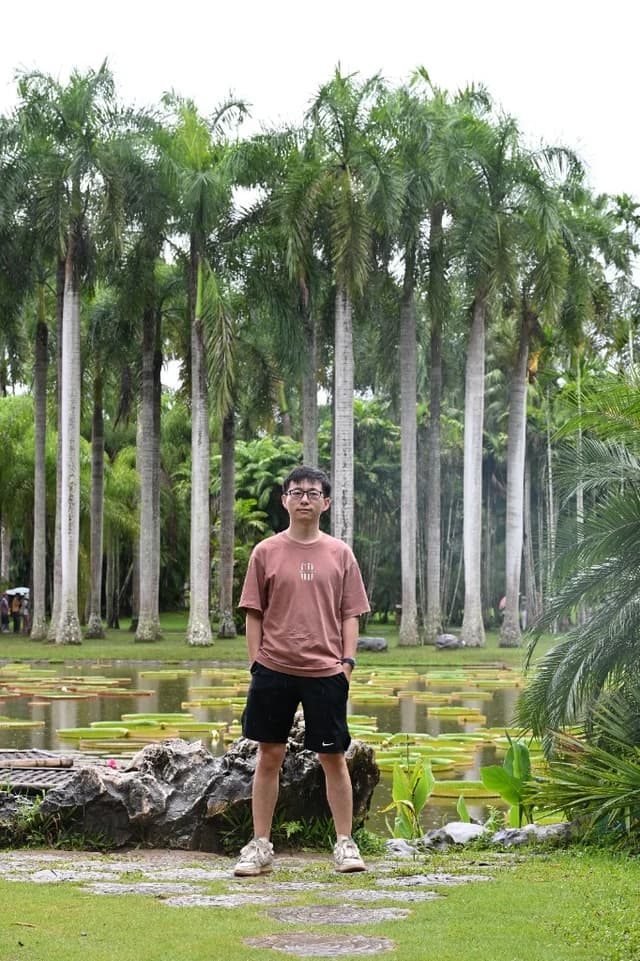
MEET YOUR TRAVEL PLANNER
I grew up in Yunnan and later lived in Japan and the Philippines.
Living abroad meant becoming the foreign visitor myself. Everyday tasks that local people take for granted, such as making payments, using transportation or understanding unfamiliar systems, suddenly required more preparation and trusted local context.
That experience changed the way I think about travel.
I created Hidden China Travel to help international visitors experience Yunnan with fewer uncertainties, more personal support and enough time to appreciate the places between the famous landmarks.
I am your travel consultant at Yunnan Meizhen International Travel Agency. I help shape the route, then the agency confirms the contract, receives payment and operates the journey.
Joy LiuFounder and Yunnan Travel Planner
Read Joy’s story →Ask Joy a question →Payments, mobile data, maps, transportation and attraction bookings can work differently in China. Our practical travel guides help you prepare before departure, while guests booking a private journey receive relevant preparation advice for their route.
Check visa, visa-free or transit rules for your passport and route.
GET READY →02Set up Alipay and a backup way to pay before you leave.
GET READY →03Choose roaming or a travel eSIM and save the setup instructions.
GET READY →04Prepare maps, trains and everyday transport before arrival.
GET READY →EXPLORE YUNNAN
Yunnan is more than one route. Begin with the places we know best, then combine them in a way that suits your time and interests.
Open the complete Yunnan travel guide →
Yunnan’s gateway city, with the Stone Forest landscapes and time to reset after a long-haul arrival.

Lakeside villages, Bai culture and a gentler pace beside the Cangshan Mountains and Erhai Lake.

A quieter Tea Horse Road town that becomes more rewarding after the daytime visitors leave.

Historic streets, local culture and access to the landscapes around Jade Dragon Snow Mountain.

A quieter northwest road, only worth adding when you have extra days beyond a first Yunnan week.
BEFORE YOU START
Pricing depends on the route, number of travelers, travel dates and hotel standard. After learning more about your plans, we will provide a tailored quotation with the inclusions and exclusions clearly explained.
Yes. Suggested journeys are starting points rather than fixed packages. We can adjust the number of days, pace, hotels, destinations, activities and level of guiding according to your group’s interests and requirements.
No. You can begin by sharing your dates, approximate trip length, group size and interests. Payment is only discussed after you have reviewed the proposed arrangements and quotation.
Hidden China Travel is the English-language site of Yunnan Meizhen International Travel Agency Co., Ltd. (云南美珍国际旅行社有限公司), a licensed travel agency in Kunming. Joy Liu is your travel consultant. You speak with Joy from the first enquiry through the journey. The travel contract and payments are with that agency, to its corporate account.
After you confirm the written itinerary and travel contract, pay a 20% deposit to Yunnan Meizhen International Travel Agency Co., Ltd.’s corporate account by Alipay or WeChat. We then book hotels, tickets and the vehicle. The remaining 80% is due after your airport pickup, when the journey starts. Stripe is a backup if Alipay or WeChat are not set up. Stripe charges currently appear under a personal name until the agency’s business merchant account is approved. Cancel more than 7 days before the journey starts and the deposit is refunded, minus hotel or ticket costs that have already been booked and cannot be recovered. Cancellations 7 days or fewer before departure keep the deposit.
Inclusions vary by journey but include private transport, a driver-guide throughout, accommodation, selected attraction tickets and travel insurance for the confirmed journey period. Your proposal states what is included and what you pay for separately. Travel insurance for the confirmed journey period is included. It does not replace your own international travel insurance.
Joy normally replies within 2 hours on weekdays, 9:00–18:00 Beijing time, and within 24 hours at other times. More detailed proposals may take longer for complex routes or busy dates.

You do not need a finished itinerary. Tell us your travel dates or approximate month, number of travelers and the places or experiences that interest you. Joy will help turn those ideas into a practical private journey.
Personal reply from Joy · No payment required to start planning · Your journey can be adjusted before confirmation