📅 Updated August 2026 · ⏱️ 8 min read
Quick answer: Most short‑term travelers can get by with an eSIM for daily apps on mobile data. You usually need a VPN when you’re on hotel Wi‑Fi, using public networks, or you must reach Google / WhatsApp / Gmail reliably.
If hotel Wi‑Fi is in your plan, install at home and test once — you often cannot download a VPN after you land. Which app is a separate question. I use NordVPN. ExpressVPN is simpler; I have not used it as my daily China VPN. Pick in Best VPN for China after you know you need one.
China’s internet rules feel weird if you’re coming from outside. Apps blocked? Sometimes. But you can still eat, sleep, navigate, and message without panic — as long as you sort your setup before you land.
I’m Chinese, and I’ve been living in the Philippines for the past few years. Every time I go back, I need to stay in touch with colleagues and Filipino friends — Gmail, WhatsApp, the usual. I’ve tried a few VPNs over the years. NordVPN is still what I open first. It is not instant.
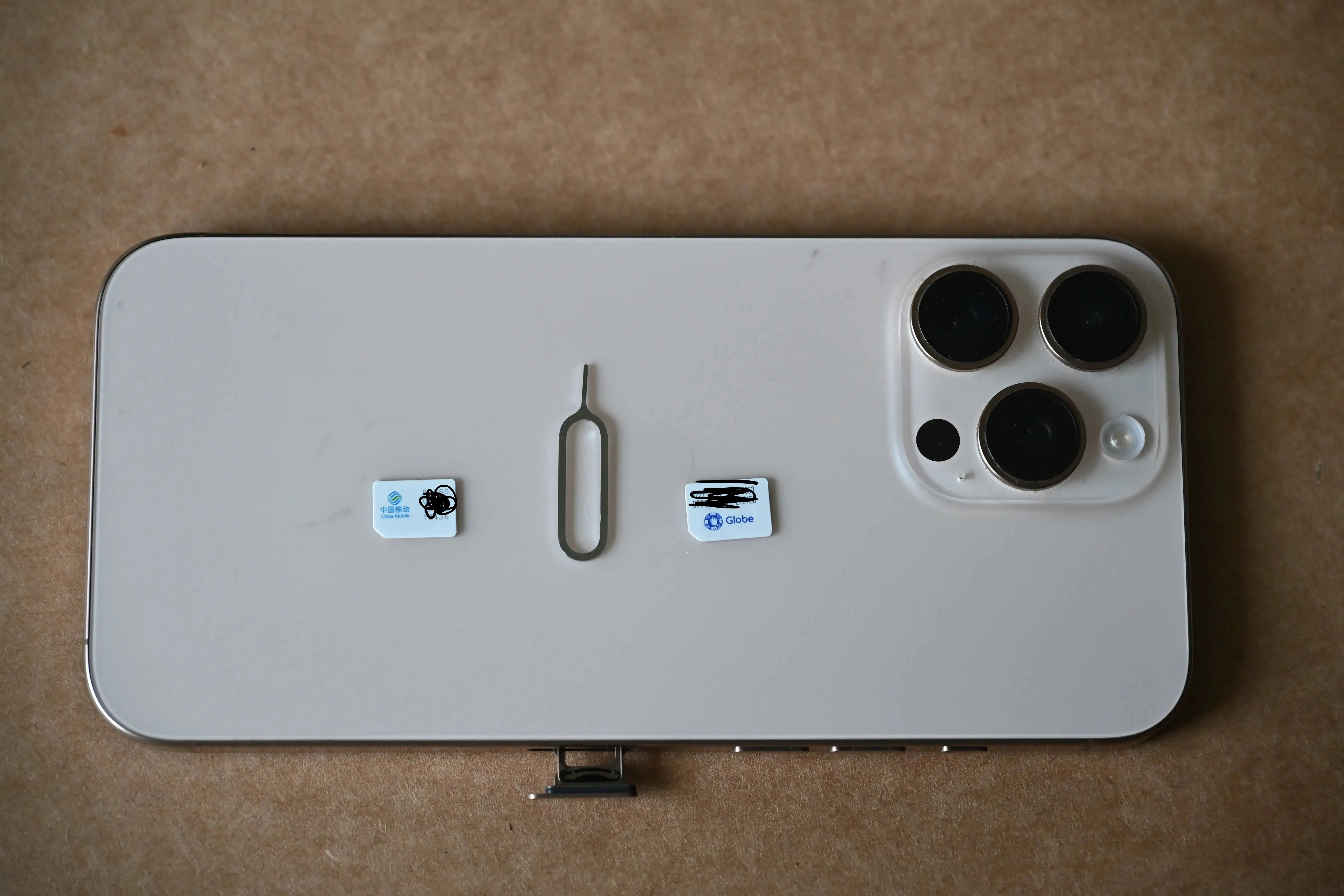
Curious how China’s internet setup actually differs from what you’re used to back home? I break it down here, based on constantly switching between a Philippines SIM and a China SIM myself.
Short verdict (if you’re already booking flights)
| Your situation | Need a VPN? | Best setup |
|---|---|---|
| 3–5 days, mostly mobile data | Usually no | eSIM alone |
| 1–4 weeks, hotel Wi-Fi often | Yes | eSIM + a travel VPN, installed at home |
| Need Google/WhatsApp/Gmail reliably | Yes | eSIM + a travel VPN |
| Don’t want to tinker | eSIM on data first | Add a VPN only if hotel Wi-Fi is likely. I use NordVPN. Comparison: Best VPN for China |
The key variable most guides don’t mention: mobile data and hotel Wi-Fi behave completely differently in China. On mobile data, a lot of international apps work fine. On hotel Wi-Fi, the filtering is often much stricter — that’s where a VPN earns its place.
Why this question keeps being “it depends”
People ask “do I need a VPN in China?” and get frustrated by vague answers. The reason it’s vague is real:
- Mobile data (eSIM or local SIM): Many international apps work better here. Not always perfect, but usable without extra setup.
- Hotel Wi-Fi / public Wi-Fi: Often stricter. Some apps that worked fine on mobile data stop working entirely.
- Your specific apps: WhatsApp and Gmail care more about what network you’re on than Google Maps does.
I’ve seen travelers in Manila and Bangkok get by fine with just an eSIM. China is similar on mobile data — but once you’re on a hotel network, the rules change. That’s the core of it.
Do you actually need a VPN with an eSIM?
Short answer: on mobile data, maybe not. On hotel Wi-Fi, probably yes.
When eSIM alone is enough
- You’re using Apple Maps for navigation (more on this in the Google Maps section below).
- You’re using food delivery apps that work in China → How to order food in china without chinese number
- You’ve set up Alipay or WeChat Pay before arrival → How to Set Up Alipay as a Foreigner
- You’re not checking Gmail or WhatsApp every hour.
If that’s you, start with an eSIM and see how far it gets you. Best options for China travelers here → Best eSIM for China Travel. Already looking at Trip.com? The Trip.com China eSIM review separates the Yunnan field test from the apps and features that have not yet been verified.
When you should add a VPN
- You’re relying on hotel or public Wi-Fi most of the time.
- You need Google, WhatsApp, or Gmail for work or frequent communication.
- You’re staying for more than two weeks.
- You’re using web apps that don’t play well behind the firewall.
If this is you, install at home. Hotel Wi-Fi is a bad place to start from zero, and VPN apps are often blocked once you’re in China.
I use NordVPN. Setup, the slow-connect caveat, and Express as an untested-by-me backup: Compare VPNs for China.
⚠️ Google Maps in China — even with a VPN
This catches a lot of people off guard.
Even if your VPN is working perfectly, Google Maps is heavily outdated and glitchy in China. The map data is years old, and there’s a coordinate offset (GCJ-02) that puts your location off by hundreds of meters. You will get lost if you rely on it for navigation.
What to use instead? See the full guide: Why Google Maps Doesn’t Work in China (2026) — What Actually Works
Which VPN — only after you need one
This page is the need / not need split. Brand-by-brand setup lives in Best VPN for China.
Short version:
- What I run: NordVPN, with Obfuscated Servers + OpenVPN (TCP), not NordLynx. It does connect. On hotel Wi-Fi it can sit on “Connecting…” for a long time. I switch Japan / Singapore / Hong Kong, or I wait.
- Simpler menus, not my China log: ExpressVPN. I have not used it as my daily China VPN. Add it if Nord keeps timing out — not as the default for a five-day eSIM trip.
- Work / study, need it up most days: Astrill is what long-term residents name. Expensive. No affiliate link here.
- LetsVPN: dead. Do not buy it.
Install a second app only if hotel Wi-Fi matters. You cannot run two VPNs at once. You can switch apps in thirty seconds when one is stuck. Do not buy two before you know you need one.
If you already have NordVPN
Keep it. Do not start from zero in a hotel lobby. Confirm Obfuscated Servers is on and protocol is OpenVPN (TCP). Test once at home. If hotel Wi-Fi keeps timing out, that is the moment a second app (Express) earns its slot — not a reason to delete Nord at 1 a.m.
Full Nord steps and the Express caveat: Best VPN for China.
FAQ
Do I need a VPN in China if I use eSIM? On mobile data, probably not for basic use. Add a VPN if you’re on hotel Wi-Fi a lot, or need Google/WhatsApp/Gmail reliably.
Which VPN should I install? What I use: NordVPN (slow to connect on some hotel networks). Simpler app I have not daily-tested in China: ExpressVPN. Comparison → Best VPN for China
Can I use Google Maps in China with a VPN? Technically yes, but it’s still outdated with coordinate errors. Use Apple Maps or Alipay’s transport tools for navigation → Maps and navigation in china
What if the VPN stops working in my hotel? Switch server (Japan / Singapore / Hong Kong). Confirm the China settings in the comparison guide. Change Wi-Fi to mobile data. Open the second app if you installed one.
What’s the most reliable VPN for China in 2026? For absolute reliability at any price: Astrill. For what I actually run: NordVPN, knowing connects can take a long time. ExpressVPN is simpler; I have not daily-tested it in China.
Is it legal for tourists to use a VPN in China? Tourists generally use VPNs for personal communication without issue. Use it reasonably and avoid politically sensitive content. This is not legal advice.
Final setup
| Trip length | Best setup |
|---|---|
| 3–5 days | eSIM alone is usually enough on mobile data. Add a VPN only if you know you’ll use hotel Wi-Fi. |
| 1–4 weeks | eSIM + a travel VPN if hotel Wi-Fi is likely |
| Need Google/WhatsApp/Gmail | eSIM + a travel VPN |
| Don’t want to tinker | eSIM first on mobile data. I use NordVPN if hotel Wi-Fi is in the plan. |
If you’re adding a VPN: install at home, test Google once. A second app is a hotel-Wi-Fi backup, not the default. Details: Best VPN for China.
Related guides
- Best VPN for China — what I use (Nord) vs Express as an untested-by-me backup
- Best eSIM for China — pick a plan that works for short trips
- China internet & VPN & SIM & ESIM full guide
- Google Maps in China (and what to use instead)
- Alipay for foreigners
- Internet in China for foreigners