
Introduction: The Biggest Question Most Travelers Have
Many travelers dream of visiting China, but one question holds them back:
Can I actually travel there on my own?
I grew up in China, then lived overseas for years. When friends abroad asked me that question, I heard the same warnings they had: impossible language barriers, confusing payment systems, complicated transportation, and a travel environment completely different from anywhere else.
The reality for independent visitors is more workable than those warnings — if you prepare the systems (payments, maps, bookings) before you land.
In this guide, I’ll show you what independent travel in China is actually like, what real challenges exist (and don’t exist), and how to prepare for them.
Planning to travel around China independently? This guide is part of our Travel China Guide for Foreigners, where we explain the practical systems foreign travelers need to prepare for, including payments, internet access, transport, maps, hotel booking, real-name verification, attraction tickets, and everyday travel problems in China.
Do You Need to Join a Tour in China?
Short answer: No.
China is completely accessible to independent travelers. In most regions, you can:
- Book your own transportation
- Choose your own hotels
- Explore cities and natural areas freely
- Travel entirely at your own pace
Modern infrastructure has made independent travel far easier than most people expect.
Booking your train or flight tickets in China is simple using online platforms. For intercity trains, most foreigners should start with Trip.com — full walkthrough in How to Book High-Speed Rail Tickets in China.
Take China’s high-speed rail network, for example. It connects nearly every major destination with trains that are fast, punctual, spotless, and surprisingly affordable. Many travelers say it’s one of the best parts of visiting the country.
You’ll also find several online platforms where international visitors can book hotels and transportation in advance—with support for foreign passports and international payment methods.

Why China Feels Difficult From the Outside
The perception that China is “hard to travel” usually stems from three unfamiliar systems—not actual restrictions.
1. Digital Payments Are Used Everywhere
China leapfrogged into mobile payments faster than almost anywhere else. Cash has become rare in daily life, which can surprise first-time visitors.
China moved very quickly into mobile payments, which can surprise first-time visitors. Most shops and restaurants accept mobile payments. Learn more about setting up Alipay or WeChat Pay to ensure smooth transactions during your trip.

2. English Isn’t Always Widely Spoken
Outside major cities, you won’t always find fluent English speakers. But in practice? This is rarely a serious problem.
Most everyday interactions only need simple communication. A smile, a “hello,” and a few gestures will get you surprisingly far. People are generally friendly and willing to help, even without a shared language.
For anything more specific—ordering food, asking directions, confirming tickets—a translation app works brilliantly. Showing translated text on your phone is completely normal and widely accepted.
Bottom line: You don’t need to speak Chinese to travel in China. You just need to be comfortable using simple words, gestures, and translation tools for daily situations.
3. Travel Information Works Differently
Some services don’t run on the platforms you’re used to elsewhere. But once you know which tools to use, the system becomes remarkably efficient.
The 3 Things You Must Prepare Before Arrival
Independent travel in China becomes straightforward when you prepare these essentials in advance:
✔ Set Up a Working Payment Method
Mobile payments are the most practical way to handle daily expenses—meals, taxis, tickets, everything.
✔ Ensure You Have Reliable Mobile Data
Internet access lets you navigate, translate, and manage bookings in real time.
It’s also smart to download essential apps before you arrive—for payments, maps, transportation, and ride-hailing. (More details below.)
✔ Understand How Transportation Works
China’s rail and flight networks are extensive and reliable. Booking tickets online is simple, but here’s one crucial tip: always double-check your departure station. Large cities often have multiple train stations, so confirm the exact station name before you travel.For navigation, Baidu Maps is widely used across China and provides accurate routes.
Essential Apps to Install Before You Arrive
To make independent travel smooth and stress-free, have these key apps ready on your phone. These aren’t just helpful—they’re tools you’ll use every day.
1. Payment Apps
Mobile payment is the standard way to pay in China—from restaurants and shops to taxis and street markets.
These apps let you pay quickly and securely. You can link them to international credit cards, depending on which version you use.
Tip: Keep a small amount of cash as backup, especially in rural areas or small local markets.
2. Translation Apps
Even with gestures and simple greetings, a translation app makes communication much easier.
You can type, speak, or point your camera at signs and menus for instant translation. Showing translated text is completely normal practice.
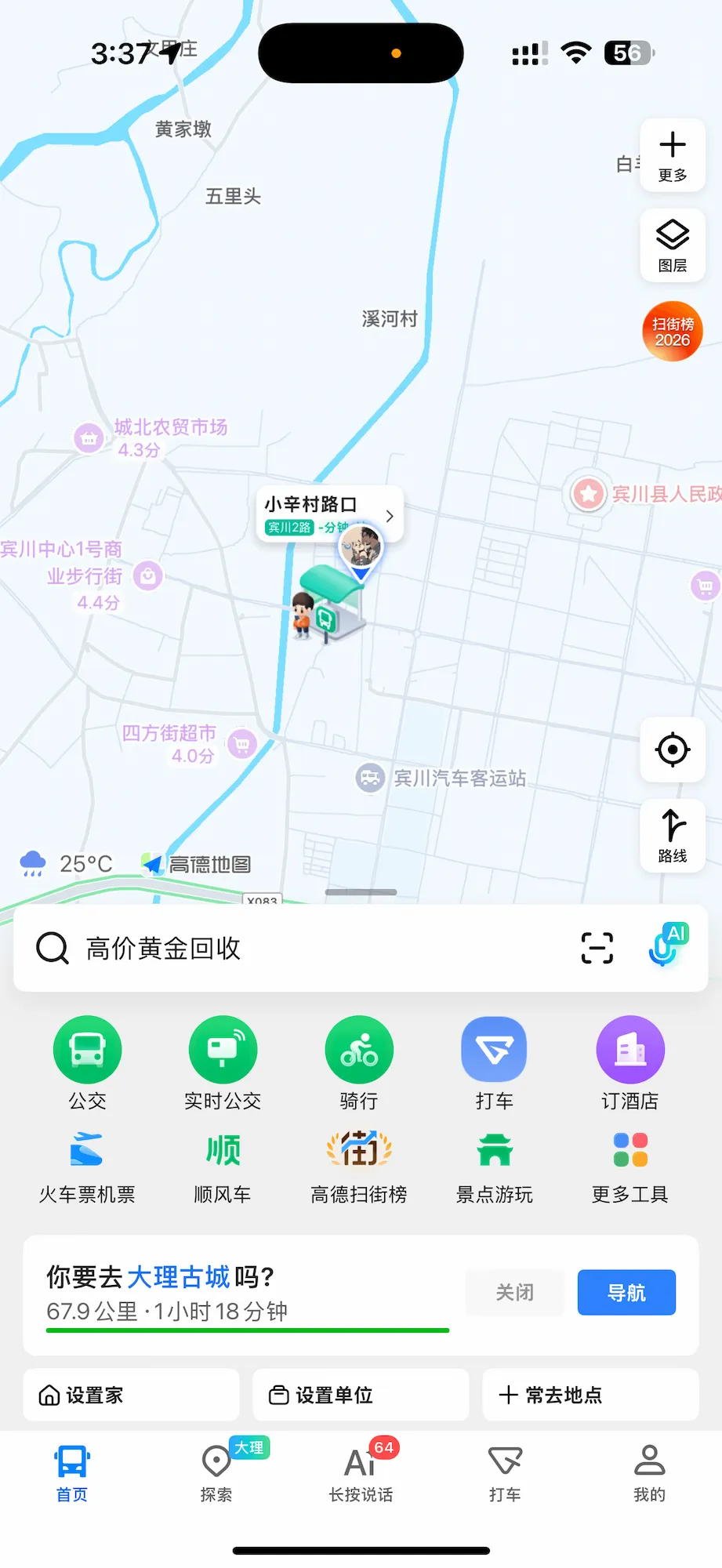
3. Maps & Navigation Apps
Getting around can feel overwhelming at first. These apps help you find routes, public transport options, and points of interest:
4. Travel & Booking Apps
Booking trains, flights, and hotels is much easier with trusted apps installed ahead of time:
- Trip.com — trains, hotels, and flights in English with foreign cards
- How to Book High-Speed Rail Tickets in China — passport booking, station check-in, sold-out backups
These platforms let foreigners book tickets using passports, check schedules, and receive digital confirmations—no local ID required.
Quick tip: Test all apps before you arrive, link your payment methods, and download offline maps. Even a few minutes of preparation makes a huge difference.
What Travel Actually Feels Like Once You’re There
Once you arrive, the experience is far more intuitive than you’d expect.
Transportation runs like clockwork. Cities are well connected. Many processes—from ticket checks to navigation—are streamlined and digital.
If you book your major transport and hotels in advance, travel becomes incredibly smooth. That said, don’t overpack your daily schedule. Leaving room for spontaneity makes the experience far more enjoyable.
Is China Easier to Travel Than People Think?
Yes—but it’s different, not difficult.
Travelers who arrive prepared find that the biggest “challenge” is simply adjusting to a new system, not overcoming actual barriers.
Once that adjustment clicks, China becomes one of the most rewarding places to explore independently.
Before You Go: A Simple Checklist
If you’re planning to travel China on your own, prepare these before departure:
- ✓ A digital payment solution ready to use
- ✓ Reliable mobile connectivity
- ✓ Basic understanding of transport booking
- ✓ A small amount of cash as backup
- ✓ A flexible mindset toward a different travel system
With these in place, independent travel is entirely achievable.
Final Thoughts
China may feel unfamiliar at first glance, but that unfamiliarity is exactly what makes it such a fascinating destination.
Independent travel here isn’t just possible—it offers a level of discovery that packaged tours often miss.
Yunnan is the usual first independent loop: Kunming, then fast trains west to Dali and Lijiang, without a tour bus. The independent Yunnan travel guide has a 7-day sketch, best time to go, and when Shangri-La or Xishuangbanna actually fits. For days outside Dali Old Town, see Dali hidden gems.
If you have questions about traveling in China, send a note — we usually reply during business hours. For a custom route, plan your China trip.
Related Guides
Planning your China trip? These practical guides may also help you travel more independently and avoid common first-time mistakes:
- Independent Yunnan Travel
- Travel China Guide for Foreigners
- Payments in China for Foreigners
- Internet, VPN and SIM in China
- Maps and Navigation in China
- Transport in China
- How to Book High-Speed Rail Tickets in China
- Hotels in China for Foreigners
- Attraction Tickets in China
Last updated: August 2026. China is becoming easier to explore independently, but practical details can still change — especially payment apps, SIM or eSIM setup, hotel check-in rules, real-name ticket booking, transport platforms, and attraction entry policies. Before your trip, double-check the latest requirements in the apps you plan to use, on official booking platforms, or with your hotel.