
The fastest way from Lijiang to Shangri-La is the direct train: about 1 hour 10 minutes to 1 hour 50 minutes, station to station. Speed isn't everything here, though. Get Tiger Leaping Gorge onto your route and a private car can turn an ordinary transfer into one of the best days of your whole Yunnan trip.
This leg matters more than your average transfer day, for a reason most guides skip right past: Shangri-La sits almost 900 meters higher than Lijiang. The time you allow to acclimatize can affect how you feel after arrival.
This guide compares the train, the public bus, a direct private transfer, and a scenic private transfer via Tiger Leaping Gorge, so you can pick based on your schedule, your luggage, and how much of the journey you actually want to see.
Train and bus schedules shift by season and by holiday, so confirm your actual travel date before locking in hotels, attraction tickets, or onward transport. Don't plan around a screenshot from someone else's trip.
For the wider route, see our Lijiang travel guide, Shangri-La travel guide and Yunnan travel guide.
Lijiang to Shangri-La at a Glance
| Option | Typical travel time | Best for | Main limitation |
|---|---|---|---|
| Direct train | ~1h10–1h50min onboard | Fast, predictable, no-fuss travel | Doesn't stop at Tiger Leaping Gorge |
| Public bus | ~2.5–3.5 hours | Travelers near a convenient station | Less flexible, no sightseeing stops |
| Direct private transfer | ~3–4 hours | Families, groups, travelers with luggage | Costs more than train or bus |
| Scenic transfer via Tiger Leaping Gorge | ~7–9 hours | Seeing the gorge without a separate trip | Takes most of a full day |
| Extended route (+Haba/Baishuitai) | ~8–10+ hours | Photographers, repeat visitors | Long day, not for everyone |
The railway covers about 140 km in roughly 1h10min to 1h50min, with second-class tickets typically ¥56–70 and first-class around ¥89–111. A lot of existing guides still describe the road trip as a 4–5 hour, winding mountain crawl that leaves people carsick. That hasn't been true since September 2021, when the Lijiang–Shangri-La Expressway opened. Most buses and private cars now run the expressway for the direct leg, not the old mountain road. What winding sections are left sit on the local roads down into Tiger Leaping Gorge itself: real if you're doing the scenic route, barely relevant if you're just going station to station.
Short version:
- Take the train if getting to Shangri-La quickly is the whole goal.
- Take the bus if the stations happen to line up with your hotels.
- Book a direct private car if you want hotel-to-hotel with your luggage handled.
- Book a scenic private transfer if Tiger Leaping Gorge actually matters to you.
Need a private car for this leg? Message us with your date, group size, and luggage, and whether you want to stop at Tiger Leaping Gorge on the way. We'll check with our local Yunnan driver network and come back with a vehicle suggestion and a clear price before you book anything. Message us on WhatsApp. No payment needed just to ask.
Option 1: By Train
If you just want to get from one city to the other, the train is the easy default. It's quicker than the road, the price is fair, and it avoids road traffic. Severe weather or operational changes can still disrupt rail services, so leave room for connections.
The Lijiang–Shangri-La railway opened in November 2023. There are multiple direct departures each day, with journeys landing somewhere between 1h10min and 1h50min depending on the specific service. Second class runs roughly ¥56–70, first class closer to ¥89–111. Treat both as planning figures, not gospel: the actual fare moves a little by train type and season, so check it for your date.
Booking: Foreign travelers can check and book through China Railway's official 12306 platform, through Trip.com, or via your hotel. Enter your name exactly as it appears on your passport. That passport is your ticket, and you'll need the same one to board.
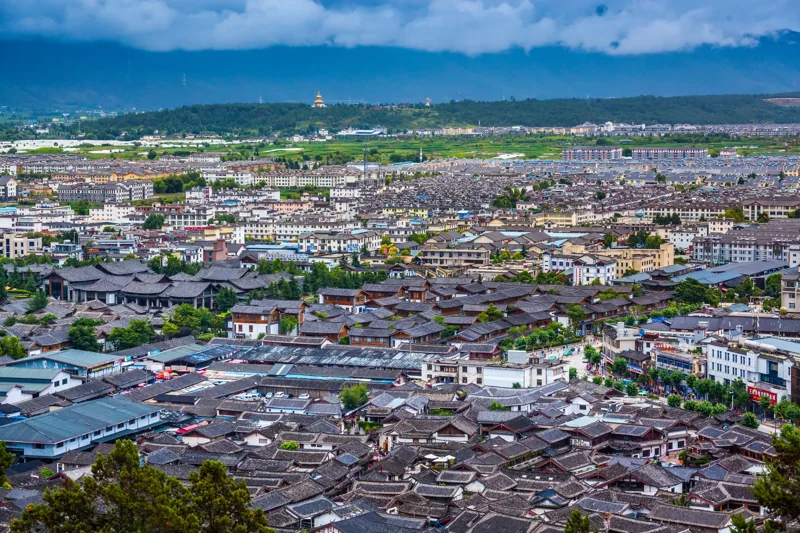
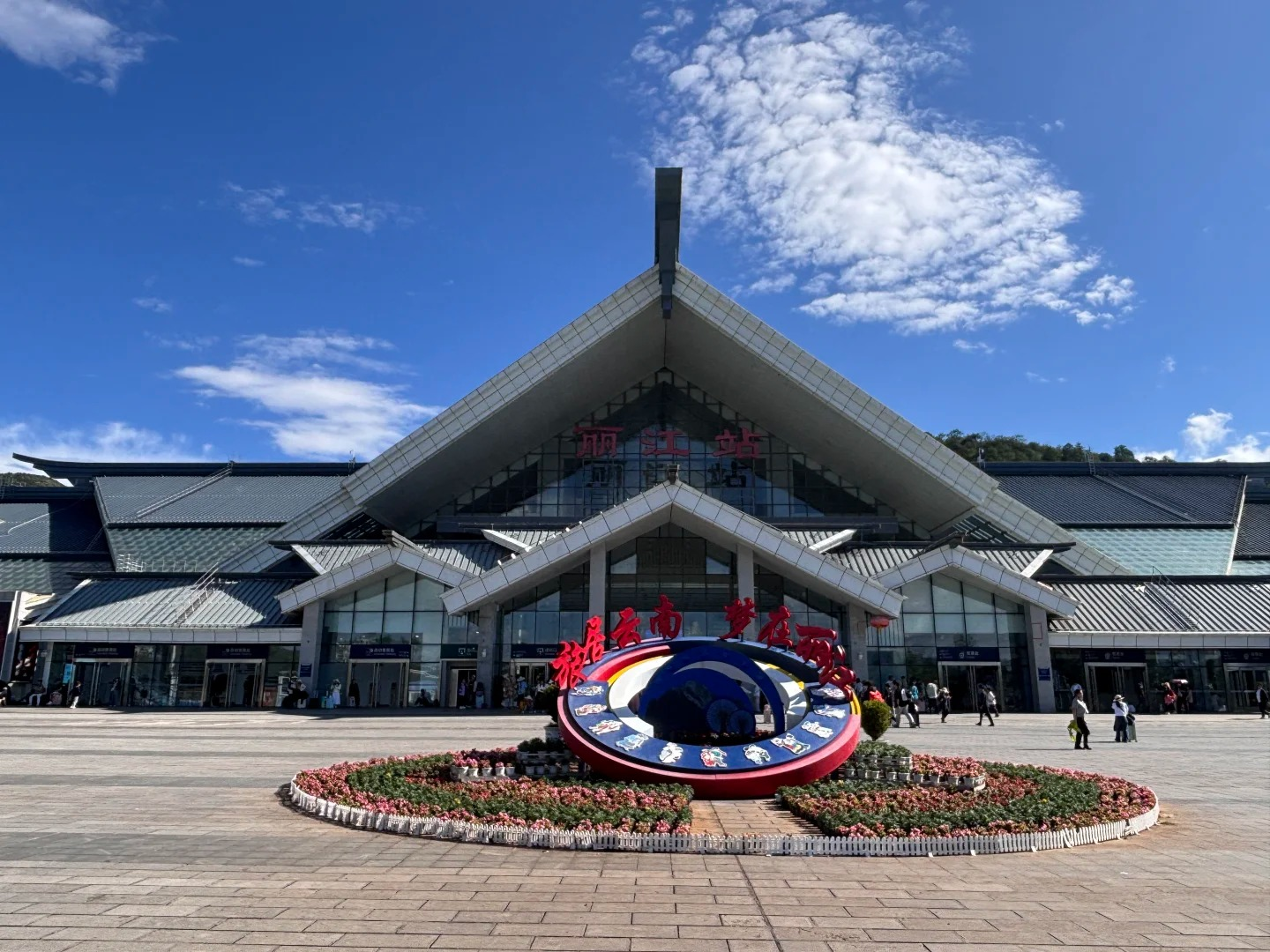
Getting to the station: Lijiang Railway Station sits outside Lijiang Old Town, and large parts of the Old Town are pedestrian-only, so a car may not reach your hotel's front door. Ask your hotel which gate or street is the nearest vehicle-accessible pickup point, and budget 20–50 minutes depending on where you're starting from and how traffic looks. On the Shangri-La side, the station is roughly 2–3 km from Dukezong Old Town. Close enough, though your exact hotel location still decides the last stretch.

Who the train suits best: solo travelers, light packers, anyone who just wants speed, and anyone who'd rather not spend a whole day on the road. It's a weaker fit with several large suitcases, young kids, or anyone with mobility limitations. Those situations usually go smoother door to door in a private car.
Option 2: By Private Car
A private car costs more than the train or the bus. What it buys you is something neither one offers: control over the route, the pace, and what you stop to see.
Direct Private Transfer (~3–4 hours)
This is the straightforward version. Your driver picks you up at an accessible point near your Lijiang hotel and drops you directly at your Shangri-La accommodation, luggage in the vehicle the whole way, mostly via the expressway. It suits:
- Couples or families traveling with multiple suitcases
- Older travelers who'd rather not manage stations and transfers
- Small groups splitting the cost of a car
- Anyone arriving or departing at an inconvenient hour for train schedules
Factor in station transfers, waiting time, and luggage handling, and the train's speed edge shrinks fast. A direct private car can end up fairly close in total door-to-door time.
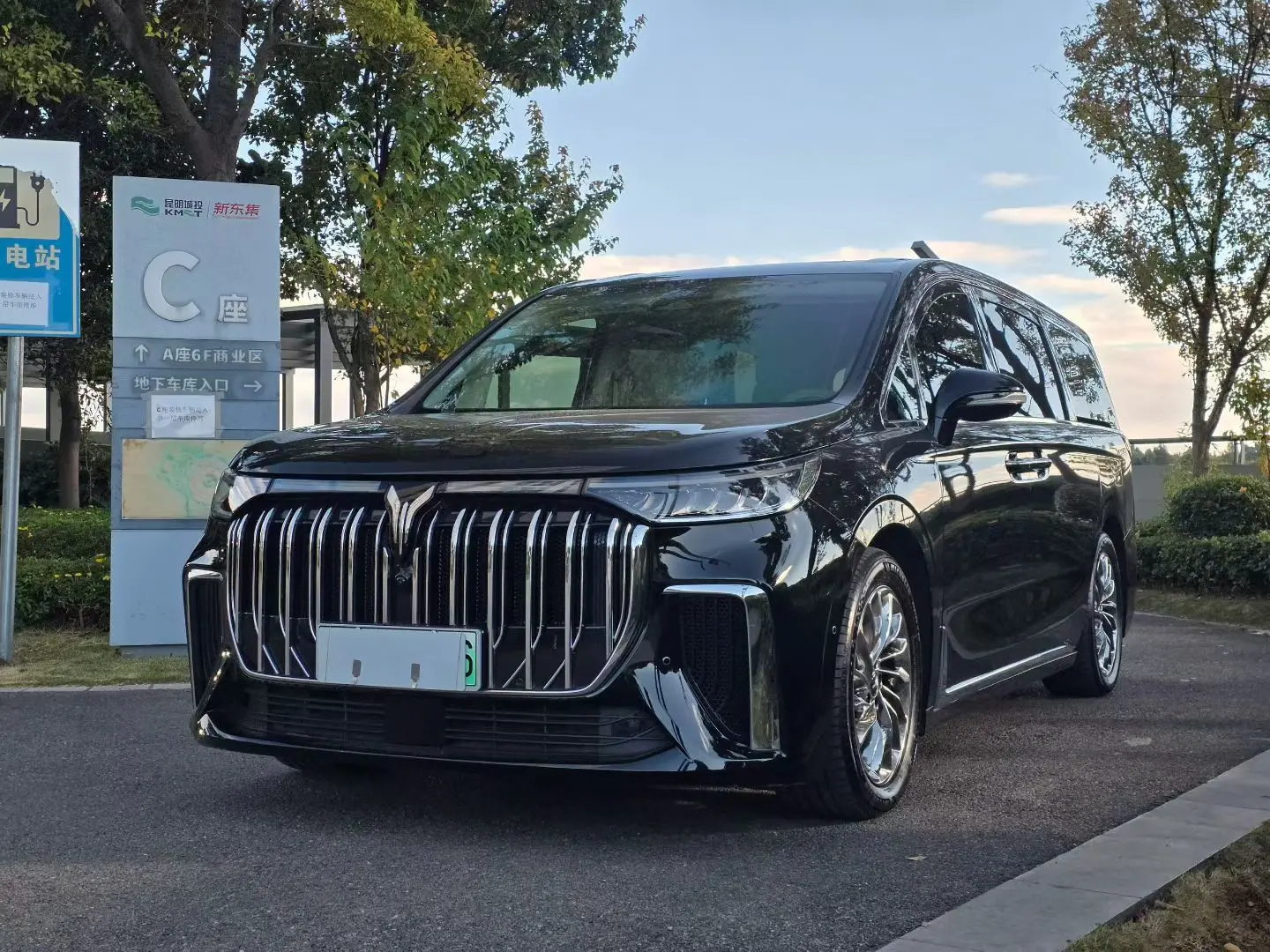
Scenic Transfer via Tiger Leaping Gorge (~7–9 hours)
For a lot of travelers, this is the actual reason to book a private car rather than the train. A typical route looks like:
Lijiang or Shuhe hotel → Upper Tiger Leaping Gorge → lunch or rest stop → Shangri-La hotel
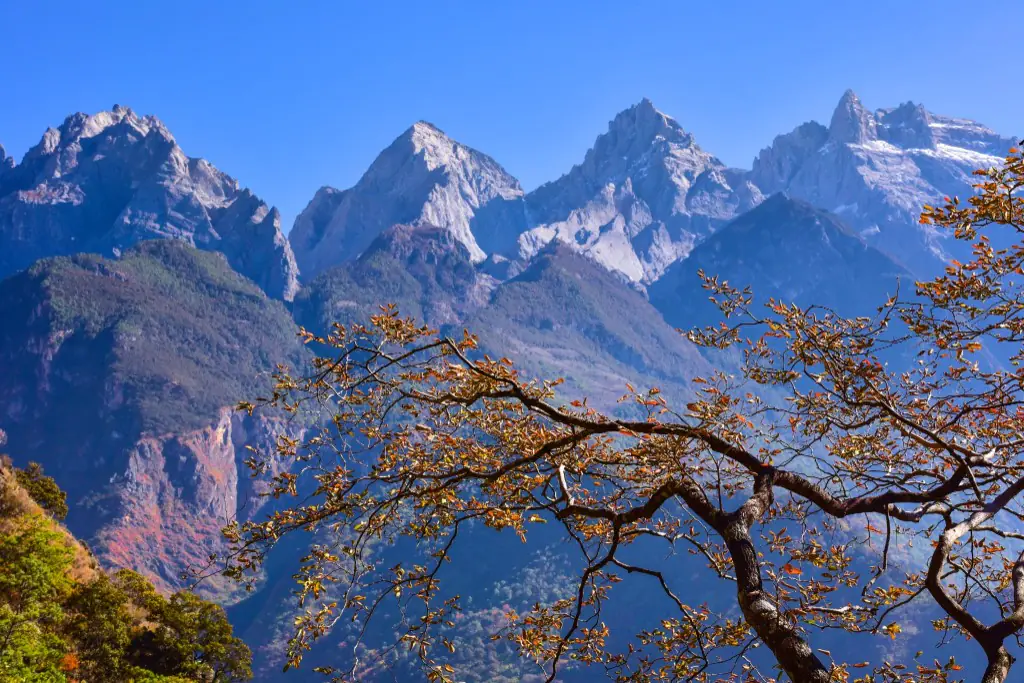
Upper Tiger Leaping Gorge is the practical stop for a one-day transfer. It's reachable by road and gives you the dramatic gorge views without committing to a hike. That's a different experience from the Middle Gorge or the High Trail, both genuine hikes that need their own day, proper footwear, and sometimes an overnight stay. Don't try to fold those into a transfer day.
Check current entrance fees and whether reservations are required before you go. Our guide to China attraction reservations covers how that system generally works for foreign visitors.
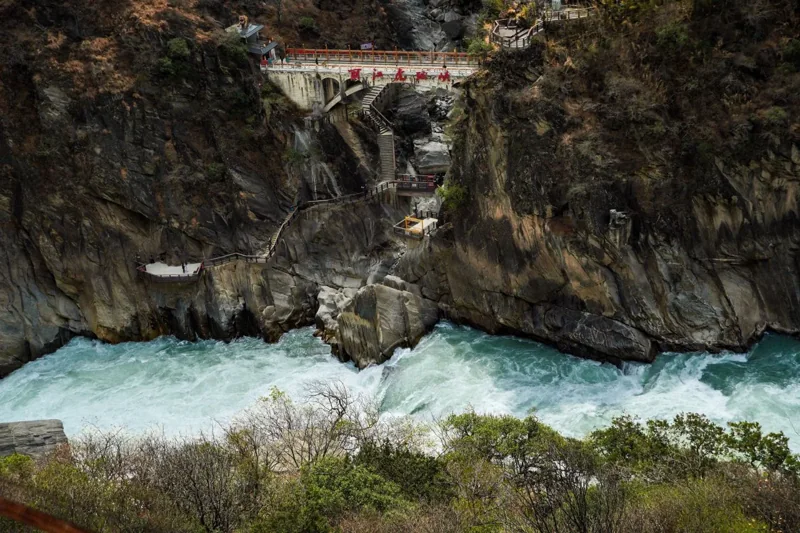
Shigu's First Bend of the Yangtze is another possible scenic stop, but it is a detour rather than part of the direct transfer or the standard Tiger Leaping Gorge stop. Ask for it specifically and allow extra time before combining it with other sights.
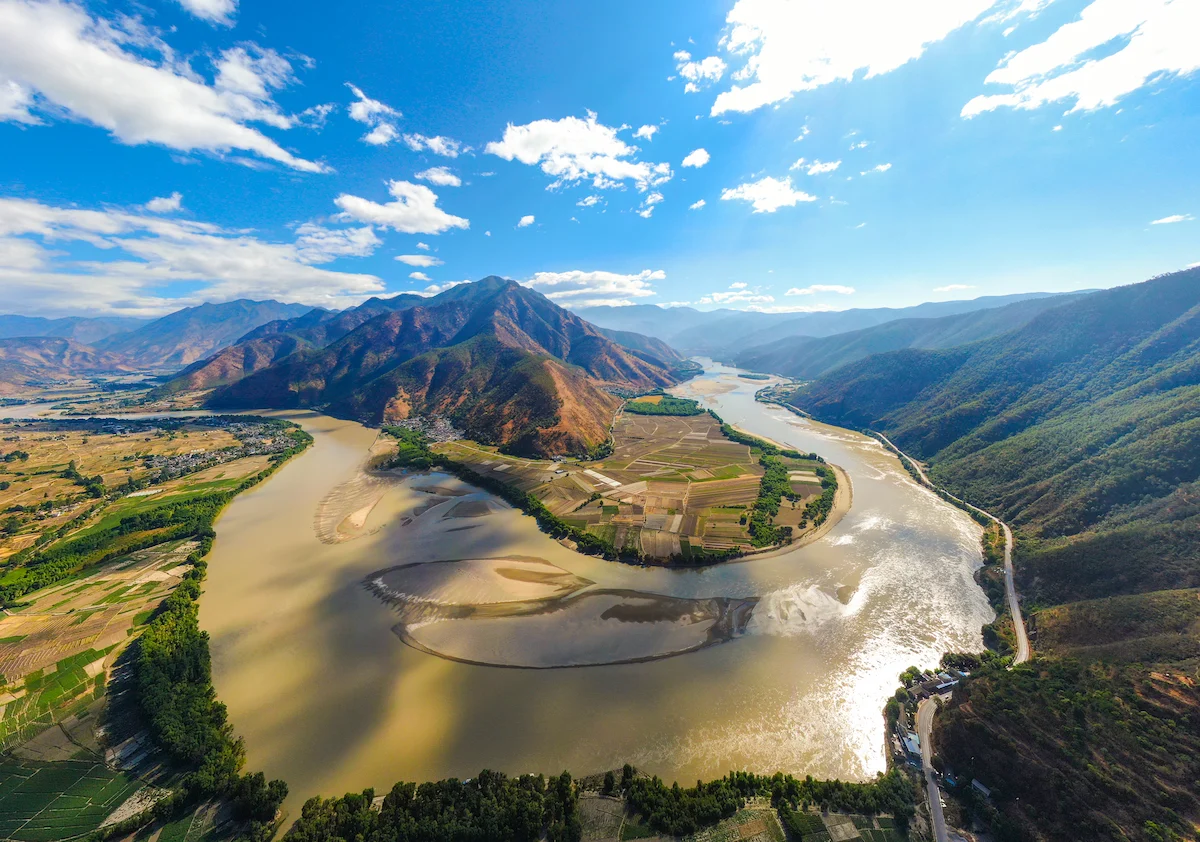
Extended Scenic Route via Haba and Baishuitai (~8–10+ hours)
For travelers with a full day to spend on the road:
Lijiang → Tiger Leaping Gorge → Haba Village or viewpoint → Baishuitai → Shangri-La
This is a long day. It suits photographers, repeat visitors, and anyone set on seeing Baishuitai's terraces specifically. It's a poor fit for anyone prone to motion sickness on long drives, young kids, travelers with limited walking stamina, or winter trips where daylight runs short. Trying to also fit in Dukezong Old Town, Songzanlin Monastery, and Napa Lake on the same day is how a good trip turns into an exhausting one. Pick one or two priorities and leave room for the driving itself.

What a Private Transfer Should Include
| Usually included | Usually not included unless stated |
|---|---|
| Vehicle and driver | Attraction entrance tickets |
| Agreed pickup and drop-off | Meals and drinks |
| Fuel, tolls, standard parking | Accommodation |
| Agreed waiting time | A dedicated English-speaking guide |
| Luggage handling | Personal expenses, unplanned stops, overtime |
Before you agree to anything, get clarity in writing on: vehicle type and realistic luggage capacity, exact pickup/drop-off points, which stops are planned and for how long, and what counts as "overtime" if the day runs long. We'd rather you ask these questions upfront than sort out a disagreement with an unfamiliar driver halfway through the trip.
Driver Language Support
A private driver on this route isn't automatically fluent in English. Many are Chinese-speaking drivers who get by with translation apps or a handful of phrases. If having someone who can actually explain things in English matters to you, say so when you message us. We'll check who's available for your dates rather than assume it's included by default.
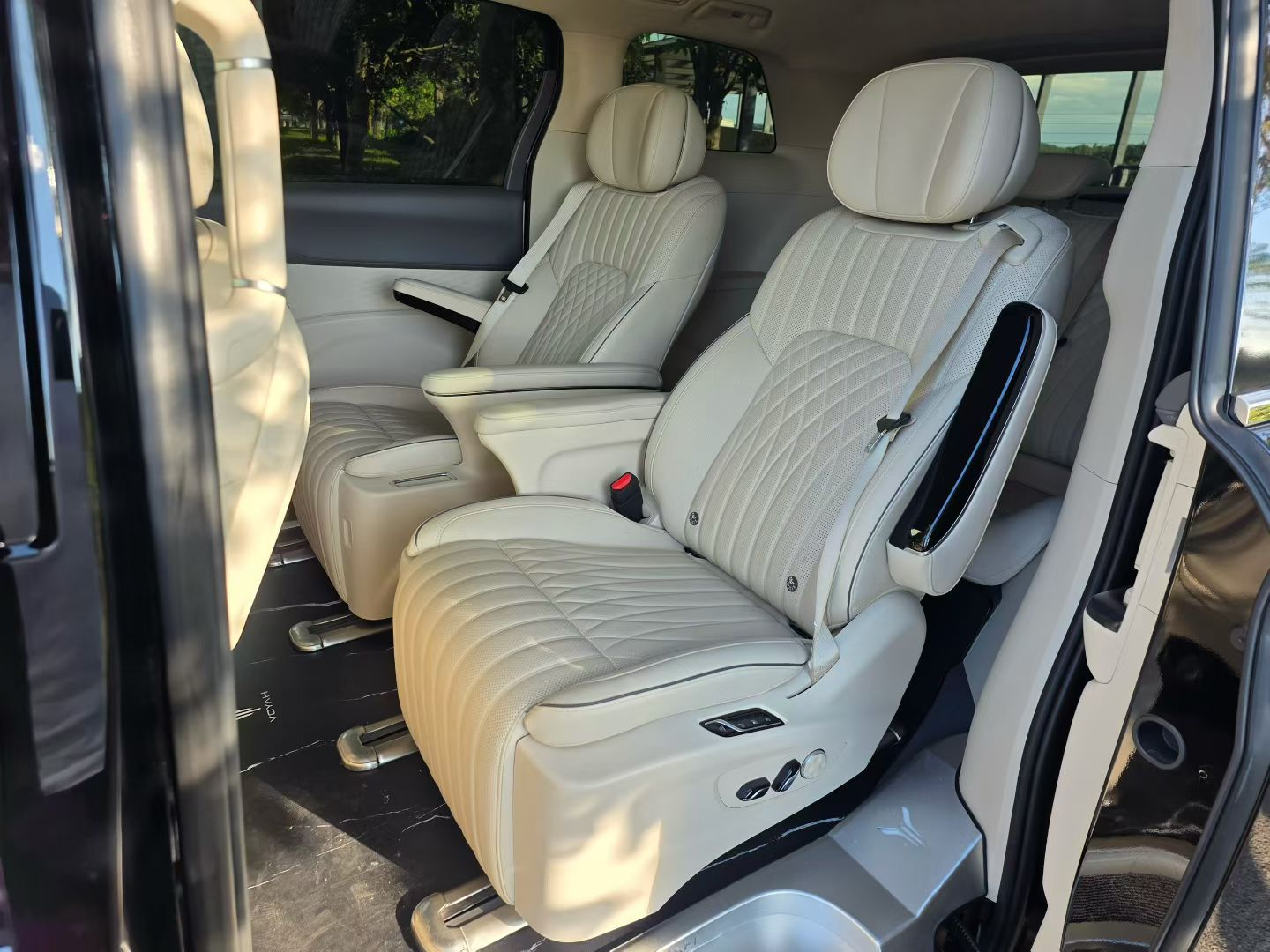
What Vehicle Fits Your Group
| Group size | Typical vehicle | Worth confirming |
|---|---|---|
| 1–3 travelers | Sedan or compact SUV | How many full-size suitcases actually fit |
| 3–5 travelers | 7-seat MPV | Real passenger + luggage configuration, not just seat count |
| 5–8 travelers | Larger van | Exact seating and storage capacity |
| Bigger groups | Minibus | Availability for your specific dates |
A 7-seat vehicle normally includes the driver in that seat count; it does not mean seven paying passengers plus luggage. Tell us the actual headcount plus bag count (strollers, wheelchairs, anything bulky included), and we'll check what's realistically available before you book, rather than promising a vehicle size and sorting out the luggage problem at pickup.
Want to add Tiger Leaping Gorge, or go further to Baishuitai? Tell us how much walking you're up for and how many hours you have in the day. We'll suggest a route that actually fits, instead of cramming in every stop on the map. Message us on WhatsApp with your dates and group size.
Option 3: By Public Bus
Direct buses between Lijiang and Shangri-La generally use the expressway, but confirm the actual route before booking. Allow around 2.5 to 3.5 hours as a planning estimate, with extra time for pickups, traffic or weather. Recent booking listings have shown some direct services from around ¥60. Fares and departure frequency vary by date and operator; do not assume a bus leaves every 30 minutes.
The bus makes sense when:
- The station locations genuinely line up with your hotels
- You're traveling light
- You don't need a sightseeing stop
- The schedule happens to match your plans better than the train does
It's a weaker fit with multiple suitcases, young kids needing a car seat, or any interest in stopping at Tiger Leaping Gorge along the way. Bus and second-class train fares can be close, so include station transfers when comparing the total cost. Station locations and schedules do shift, so confirm the exact pickup point with your hotel rather than trusting an old timetable found online.
Train, Bus, or Private Car — Matched to Your Situation
| Your situation | Recommended option |
|---|---|
| Solo traveler, light luggage | Train |
| Fastest possible journey | Train |
| Want to see Tiger Leaping Gorge | Scenic private transfer |
| Traveling with young children | Private car |
| Older travelers or reduced mobility | Private car |
| Several large suitcases | Private car or MPV |
| Bus station happens to be convenient | Public bus |
| Want to add Baishuitai too | Extended scenic route |
| Want to hike the TLG High Trail | Separate hiking plan — not a transfer-day stop |
For pure point-to-point transport, the train wins on time and reliability. For sightseeing and flexibility, the private car earns its higher price. Which one is faster isn't really the question. What matters more is whether you want this transfer day to just be logistics, or to be part of the trip.
Altitude: The Part That Matters More Than the Route
Lijiang is around 2,400m above sea level; central Shangri-La is roughly 3,200–3,300m. Your sleeping altitude and the time spent acclimatizing matter more than whether you take a train or car.
A gradual Kunming–Dali–Lijiang–Shangri-La itinerary can allow adjustment time, but simply passing through those places does not mean you are acclimatized. A few hours in a car is not a substitute for acclimatization.
- Avoid alcohol and strenuous exercise during the first 48 hours at altitude.
- Stay normally hydrated; forcing extra water is not an altitude-illness prevention strategy.
- If headache, nausea or dizziness develops, do not move to a higher sleeping altitude. Worsening symptoms despite rest require descent and medical assessment.
- Confusion, breathlessness at rest or difficulty walking straight requires immediate medical help and assisted descent as soon as possible. Do not delay care while trying to reach a fixed elevation.
- Discuss high-altitude plans with a clinician before traveling with infants or with heart, lung or previous severe altitude-illness concerns.
See the CDC's high-altitude travel guidance.
Weather, Motion Sickness, and Other Practical Bits
Weather: mountain weather changes fast. Pack a warm layer even if you're leaving Lijiang on a mild day, and carry rain protection and water regardless of season.
Motion sickness: the expressway leg is smooth. If you're doing the scenic route, the local roads down into Tiger Leaping Gorge do have winding sections. A direct expressway transfer or the train reduces exposure to winding roads, but no option guarantees freedom from motion sickness.
Hotel access: both Lijiang Old Town and parts of Dukezong Old Town have pedestrian-only lanes, so "hotel pickup" may really mean the nearest point a vehicle can reach. Send your exact hotel name before booking so we can check the realistic pickup spot in advance.
Connectivity: signal is fine in both towns but patchy on the roads in between. Sort your data plan before leaving Lijiang. See our China eSIM guide.
Getting around once you've arrived: Didi covers both town centers reasonably well but thins out fast past the edges. Our Didi guide for foreigners covers account setup if you haven't done that yet.
Place Names Reference
| English | Chinese | Pinyin |
|---|---|---|
| Lijiang | 丽江 | Lìjiāng |
| Shangri-La | 香格里拉 | Xiānggélǐlā |
| Dukezong Old Town | 独克宗古城 | Dúkèzōng Gǔchéng |
| Lijiang Railway Station | 丽江站 | Lìjiāng Zhàn |
| Shangri-La Railway Station | 香格里拉站 | Xiānggélǐlā Zhàn |
| Tiger Leaping Gorge | 虎跳峡 | Hǔtiào Xiá |
| Haba Snow Mountain | 哈巴雪山 | Hābā Xuěshān |
| Baishuitai | 白水台 | Báishuǐtái |
| Songzanlin Monastery | 松赞林寺 | Sōngzànlín Sì |
| Napa Lake | 纳帕海 | Nàpàhǎi |
Still mapping out the rest of your Yunnan route? Our Dali travel guide and Dali hidden gems guide cover the leg most travelers do before Lijiang.
Sources and Updates
Railway-opening details: National Railway Administration. Expressway-opening details: Diqing government. Check train listings and bus listings for your actual date. Information reviewed on 12 November 2026; journey times are planning estimates.
Plan This Leg With Us
Take the train if speed and cost are what matter most to you. It's a genuinely solid option on its own. But if Tiger Leaping Gorge is anywhere on your wish list, or you're traveling with people who'd rather not wrestle stations and suitcases, a private car can make this transfer day one of the highlights of the whole trip.
Ready to arrange it? Message us with your travel date, group size, luggage, and whether you want to stop at Tiger Leaping Gorge (or go further to Baishuitai). We'll come back with a route, a vehicle suggestion, and a clear price. No payment needed just to ask.